I have long harboured a deep-seated desire to compile and publish a substantial portion of Mirza Ghalib’s shers and ghazals as part of this series. Regular readers of my Oshurer Suralok Jatra Series will, I trust, already appreciate the sheer eccentricity and unpredictable nature of my champagne tastes on a beer budget. Because I am constantly pulled in so many different directions by a myriad of interests, it is incredibly difficult for me to see a single project through to completion in one place. It is precisely due to this affliction that undertakings of this nature often remain unfulfilled. Yet, driven by an unyielding inner yearning, I find myself returning to them once more.
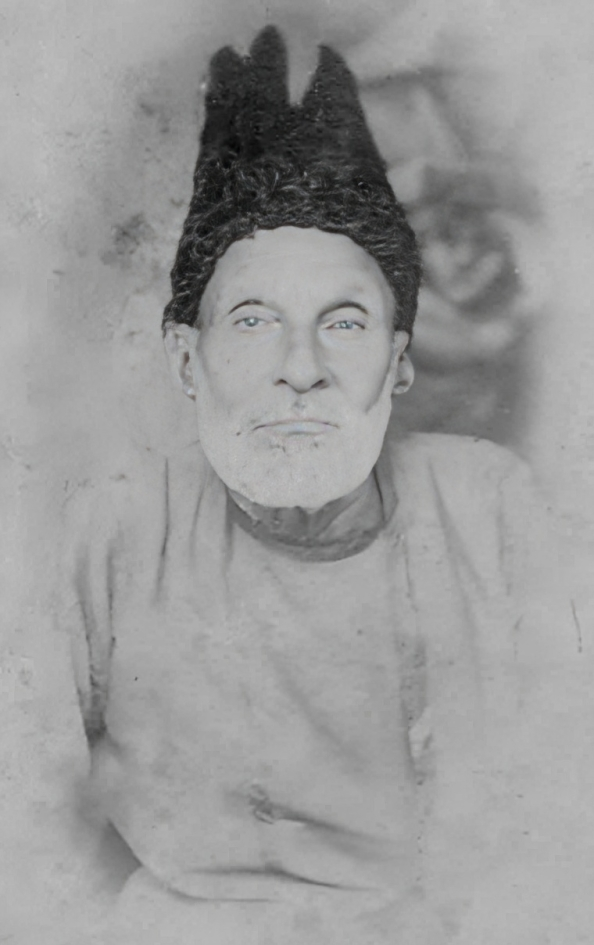
Table of Contents
The Sher-Shayari-Ghazal of Mirza Ghalib
Publishing Urdu poetry on the web brings with it the significant headache of typesetting Nastaliq calligraphy. Nevertheless, having navigated those hurdles, let us see how far we can venture. My plan is to first present the verses in both Nastaliq and Roman scripts, followed by a faithful, and capped off with an rendering in English.
The man whom the world affectionately calls ‘Chacha Ghalib’—Mirza Asadullah Khan Ghalib (1797–1869)—was arguably the greatest poet of the Rekhta, or Urdu language, of his era. On a more personal note, my wife’s profound admiration for Ghalib was one of the defining catalysts that sparked our early romance.
In the historic cultures of Old Delhi and Lucknow, it was traditional to address elders, scholars, and beloved mentors with the respectful endearment of ‘Chacha’ (Uncle). The young wits and literati of Delhi looked up to Ghalib with such immense reverence that they universally termed him ‘Chacha Ghalib’.
Altaf Hussain Hali, Ghalib’s cherished disciple and an eminent Urdu poet in his own right, penned a timeless biography and critical review of his master’s work entitled Yadgar-e-Ghalib. In this seminal book, he painted such a vivid picture of Ghalib’s daily routines, brilliant wit, and gregarious nature that, to the reader, Ghalib ceases to be a distant, austere poet of the high heavens and instead becomes an intimately familiar, witty ‘uncle’ of the household.
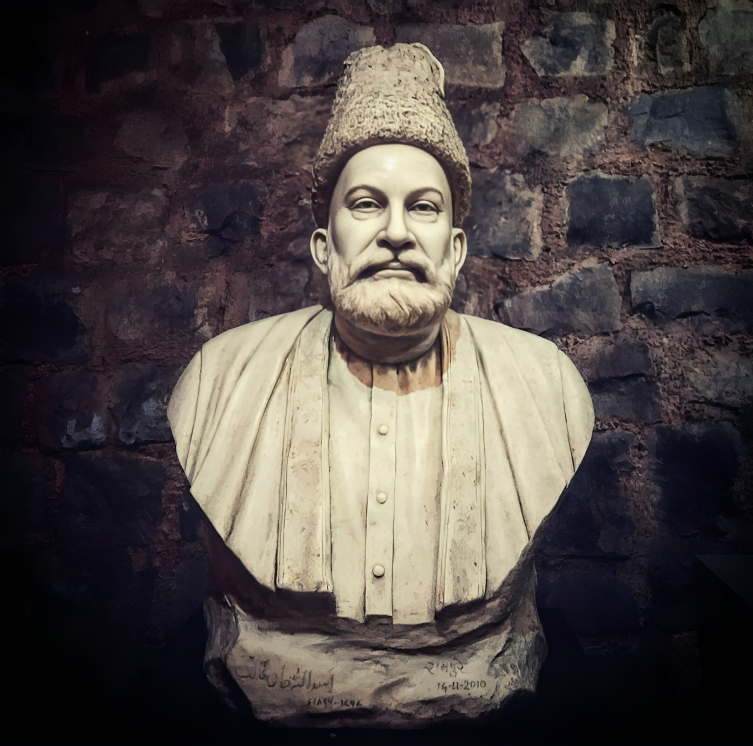
Ghalib possessed a remarkably humorous and magnanimous disposition. His legendary love for mangoes, his amusingly sorrowful complaints about buying wine on credit, and his uncanny ability to maintain an aristocratic dignity amidst grinding poverty were human virtues and flaws that endeared him deeply to the common folk. Rather than a solemn pedant, he was the life and soul of every salon—the ultimate conversationalist.
A famous testament to his sharp wit occurred during the holy month of Ramadan, when the Emperor of Delhi, Bahadur Shah Zafar, asked him, “Mirza, are you keeping the fasts?”
Ghalib smiled gently and replied, “Your Majesty, I haven’t missed a single one!” (In Urdu, this carries a brilliant double entendre: it can mean either ‘I have kept every single fast’ or ‘I haven’t kept a single one; I have skipped them all’).
Another widely known anecdote takes us to the aftermath of the 1857 Sepoy Mutiny. The Kotwal of Delhi, Rai Bahadur Manik Chand, arrested Ghalib and brought him before Colonel Brown. The Colonel inquired, “Are you a Muslim?”
Ghalib responded, “Indeed, sir, but only a half-Muslim!”
Astonished, the Colonel demanded, “What on earth does that mean?”
Ghalib casually replied, “I drink wine, but I do not eat pork.”
The sheer volume of Ghalib’s literary output is staggering. His ghazals number well over two hundred, and his shers run into the thousands. In his time, a systematic culture of literary editing did not exist, yet Ghalib undertook this meticulous task himself.
When he began composing poetry in his youth around 1815–1816, his language was intensely complex, heavily Persianised, and largely incomprehensible to the average listener. His close friend and the renowned scholar, Allama Fazl-e-Haq Khairabadi, took his manuscripts and wisely counselled him to eschew convoluted Persian vocabulary in favour of simpler Rekhta, or idiomatic Urdu.
Ghalib took this advice to heart. Fazl-e-Haq Khairabadi edited the collection, discarding nearly two-thirds of the verses to retain only the most lucid and genuine shers for the first Diwan-e-Ghalib. The fluid, accessible elegance we associate with Ghalib today is largely owed to this historic edit.
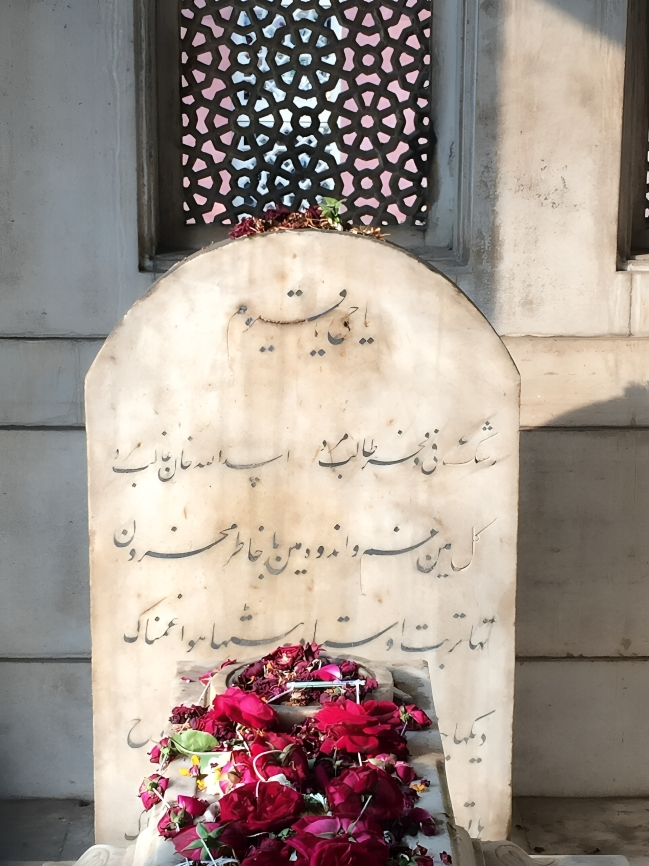
Broadly speaking, Ghalib’s poetic corpus is categorised into two divisions:
-
The Standard Diwan-e-Ghalib (Published): The authorized compendium published during his lifetime (known as the Mutadawil Diwan), containing roughly 1,800 to 2,000 shers. This is considered the definitive authority.
-
The Complete Nuskha-e-Hamidia (Including Unpublished Works): Following his demise, his unpublished manuscripts (such as the Nuskha-e-Hamidia discovered in Bhopal) were recovered, bringing the total count to between 4,200 and 4,500 shers.
Without further ado, let us begin.
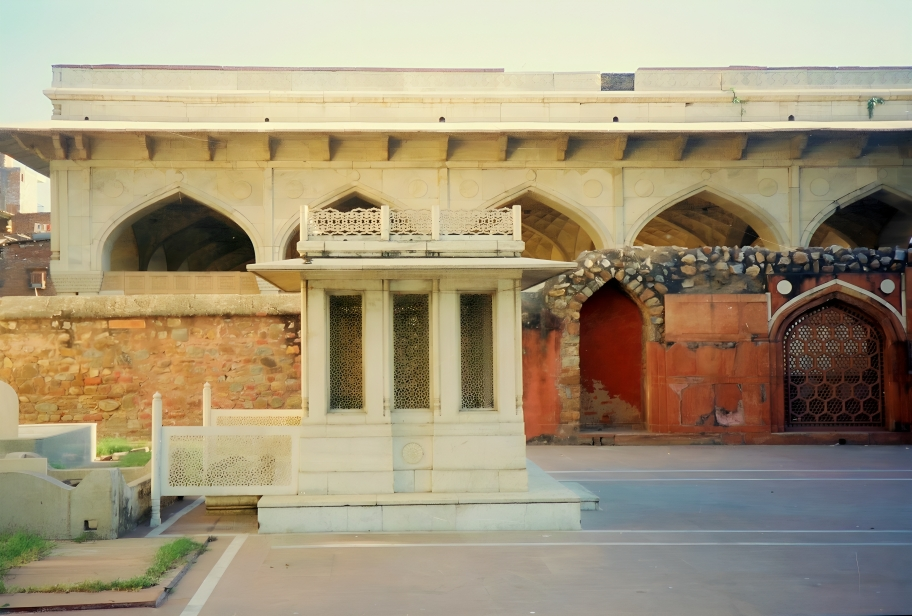
The Verses of Mirza Ghalib:
1.
-
Urdu: دلِ ناداں تجھے ہوا کیا ہے آخر اس درد کی دوا کیا ہے
-
Roman: Dil-e-nadaan tujhe hua kya hai / Aakhir is dard ki dawa kya hai
-
English: O foolish heart, what has befallen you? What, in the end, is the remedy for this ache?
2.
-
Urdu: ہزاروں خواہشیں ایسی کہ ہر خواہش پہ دم نکلے بہت نکلے مرے ارمان لیکن پھر بھی کم نکلے
-
Roman: Hazaron khwahishein aisi ke har khwahish pe dam nikle / Bohot nikle mere armaan lekin phir bhi kam nikle
-
English: Thousands of desires are such that each takes one’s breath away; many of my yearnings were fulfilled, yet they feel all too few.
3.
-
Urdu: آہ کو چاہیے اک عمر اثر ہونے تک کون جیتا ہے تری زلف کے سر होने تک
-
Roman: Aah ko chahiye ek umr asar hone tak / Kaun jeeta hai teri zulf ke sar hone tak
- English: A lifetime is needed for a sigh to bear fruit; who can survive long enough to win over your tresses (and melt your heart)?
4.
-
Urdu: رگوں میں دوڑتے پھرنے کے ہم نہیں قائل جب آنکھ ہی سے نہ ٹپکا تو پھر لہو کیا ہے
-
Roman: Ragon mein daudte phirne ke hum nahin qaail / Jab aankh hi se na tapka to phir lahoo kya hai
-
English: I am not one to believe in blood that merely courses through the veins; if it does not spill from the eye as a tear, then what kind of blood is it?
5.
-
Urdu: قیدِ حیات ও بندِ غم ، اصل میں دونوں ایک ہیں موت سے پہلے آدمی غم سے نجات پائے کیوں
-
Roman: Qid-e-hayat o band-e-gham, asal mein dono ek hain / Maut se pehle aadmi gham se najaat paaye kyun
- English: The prison of life and the fetters of sorrow are one and the same; why, then, should man expect liberation from grief before death ensues?
6.
-
Urdu: موت کا ایک دن معین ہے نیند کیوں رات بھر نہیں آتی
-
Roman: Maut ka ek din muayyan hai / Neend kyun raat bhar nahin aati
-
English: The day of death is predetermined; why, then, does sleep elude me the whole night through?
7.
-
Urdu: آگے آتی تھی حالِ دل پہ ہنسی اب کسی بات پر نہیں آتی
-
Roman: Aage aati thi haal-e-dil pe hansi / Ab kisi baat par nahin aati
- English: Time was when the plight of my heart moved me to laughter; now, absolutely nothing brings a smile to my face.
8.
-
Urdu: ہم کو معلوم ہے جنت کی حقیقت لیکن دل کے خوش رکھنے کو غالبؔ یہ خیال اچھا ہے
-
Roman: Hum ko maloom hai jannat ki haqeeqat lekin / Dil ke khush rakhne ko Ghalib yeh khayaal achha hai
-
English: I know well the reality of paradise, O Ghalib! Yet, to keep the heart amused, the notion is rather pleasant.
9.
-
Urdu: پُوچھتے ہیں وہ کہ غالِبؔ کَون ہے کوئی بتلاؤ کہ ہم بتلائیں کیا
-
Roman: Poochhte hain woh ke Ghalib kaun hai / Koi batlaao ke hum batlaayein kya
- English: She inquires, “Who is Ghalib?” Will someone please tell her, for what answer can I possibly give?
10.
-
Urdu: نقش فریادی ہے کس کی شوخیِ تحریر کا کاغذی ہے پیرہن ہر پیکرِ تصویر کا
-
Roman: Naqsh faryaadi hai kis ki shokhi-e-tehreer ka / Kaghazi hai pairahan har paikar-e-tasweer ka
- English: Against whose mischievous pen does every portrait protest? For every form in this world stands before existence clad in a robe of paper. (The iconic opening verse of the Diwan-e-Ghalib)
11.
-
Urdu: رنج سے خوگر ہوا انساں تو مٹ جاتا ہے رنج مشکلیں مجھ پر پڑیں اتنی کہ آساں ہو گئیں
-
Roman: Ranj se khogar hua insaan to mit jata hai ranj / Mushkilein mujh par parein itni ke aasaan ho gayein
- English: When man becomes accustomed to sorrow, the sorrow itself vanishes; so many tribulations have befallen me that they have now become easy to bear.
12.
-
Urdu: بازیچہ اطفال ہے دنیا مرے آگے ہوتا ہے شب و روز تماشا مرے آگے
-
Roman: Baazeecha-e-atfaal hai duniya mere aage / Hota hai shab o roz tamasha mere aage
- English: The world appears to me as a mere children’s playground; night and day, a theatrical spectacle unfolds before my eyes.
13.
-
Urdu: مہر بان ہو کے بلایا ہو گا شکوہ بے جا ہے ڈرایا ہو گا
-
Roman: Mehrbaan ho ke bulaya hoga / Shikwa be-ja hai daraya hoga
- English: She must have called me out of sheer kindness and love; our grievance is entirely misplaced that she summoned us to cause fear.
14.
-
Urdu: ہے کہاں تمنا کا دوسرا قدم یارب ہم نے دشتِ امکاں کو ایک نقشِ پا پایا
-
Roman: Hai kahan tamanna ka doosra qadam ya rab / Hum ne dasht-e-imkaan ko ek naqsh-e-pa paaya
- English: Where is there room for desire to take its second step, O Lord? For I found the entire desert of possibilities to be nothing more than a single footprint.
15.
-
Urdu: نکلنا خلد سے آدم کا سنتے آئے ہیں لیکن بہت بے آبرو ہو کر ترے کوچے سے ہم نکلے
-
Roman: Nikalna khuld se aadam ka sunte aaye hain lekin / Bohot be-aabroo ho kar tere kooche se hum nikle
- English: We have long heard of Adam’s banishment from paradise; yet far more humiliated and disgraced did I depart from your alleyway.
16.
-
Urdu: عشق مجھ کو نہیں وحشت ہی سہی میری وحشت تری شہرت ہی سہی
-
Roman: Ishq mujh ko nahin wehshat hi sahi / Meri wehshat teri shohrat hi sahi
-
English: Let it not be love, let it be madness instead; but let my very madness be the source of your renown!
17.
-
Urdu: نہ تھا کچھ تو خدا تھا، کچھ نہ ہوتا تو خدا ہوتا ڈبویا مجھ کو ہونے نے، نہ ہوتا میں تو کیا ہوتا
-
Roman: Na tha kuch to khuda tha, kuch na hota to khuda ہوتا / Duboya mujh ko hone ne, na hota main to kya hota
- English: When nothing existed, God was; had nothing come to be, God would still remain. My very being has proved my undoing; had I not existed, what difference would it have made?
18.
-
Urdu: کہتے ہیں جیتے ہیں امید پہ لوگ ہم کو جینے کی بھی امید نہیں
-
Roman: Kehte hain jeete hain umeed pe لوگ / Hum ko jeene ki bhi umeed nahin
-
English: They say people live on hope; as for me, I retain no hope even of living.
19.
-
Urdu: وفاداری بشرطِ استواری اصلِ ایماں ہے مرے بت خانے میں تو کعبے میں گاڑو برہمن کو
-
Roman: Wafa-daari ba-shart-e-ustuwaari asl-e-imaan hai / Mare but-khaane mein to kaabe mein gaaro brahman ko
-
English: Steadfast loyalty is the true essence of faith; should a Brahmin die devotedly within his idol-temple, he deserves to be interred within the Kaaba itself.
20.
-
Urdu: زندگی اپنی جب اس شکل سے گزری غالبؔ ہم بھی کیا یاد کریں گے کہ خدا رکھتے تھے
-
Roman: Zindagi apni جب اس شکل سے گزری Ghalib / Hum bhi kya yaad karenge ke khuda rakhte thhe
-
English: Since my life has ebbed away in such utter wretchedness, O Ghalib, why should I even bother to remember that I once had a God?
21.
-
Urdu: ہر ایک بات پہ کہتے ہو تم کہ تو کیا ہے تمہیں کہو کہ یہ اندازِ گفتگو کیا ہے
-
Roman: Har ek baat pe kehte ho tum ke tu kya hai / Tumhein kaho ke yeh andaaz-e-guftagoo kya hai
- English: At every turn, you snap back with, “Who on earth are you?” You tell me, what sort of conversational manner is this?
22.
-
Urdu: نکتہ چیں ہے غمِ دل، اس کو سنائے نہ بنے کیا بنے بات جہاں بات بنائے نہ بنے
-
Roman: Nukta-cheen hai gham-e-dil, is ko sunaaye na bane / Kya bane baat jahan baat banaaye না بنے
- English: The sorrow of the heart is overly fastidious; it cannot be shared with anyone. What can one possibly say when words fail to make any sense at all?
23.
-
Urdu: درد منت کشِ دوا نہ ہوا میں نہ اچھا ہوا، برا نہ ہوا
-
Roman: Dard minnat-kash-e-dawa na hua / Main na achha hua, bura na hua
- English: My pain refused to beholden itself to a cure; that I never recovered was, in a sense, not altogether a bad thing.
24.
-
Urdu: رگِ سنگ سے ٹپکتا وہ لہو کہ پھر نہ تھمتا جسے غم سمجھ رہے ہو یہ اگر شرار ہوتا
-
Roman: Rag-e-sang se tapakta woh lahoo ke phir na thamta / Jise gham samajh rahe ho yeh agar sharaar hota
- English: Blood would have dripped unceasingly from the veins of stone, had that which you mistake for mere sorrow been an internal spark of fire instead.
25.
-
Urdu: کی مرے قتل کے بعد اس نے جفا سے توبہ ہائے اس زود پشیماں کا پشیماں ہونا
-
Roman: Ki mere qatl ke baad us ne jafa se tauba / Haaye is zood-pashemaan ka pashemaan ہونا
-
English: After slaying me, she repented of her cruelty; oh, the tragic irony of this swiftly remorseful lover’s contrition!
26.
-
Urdu: تم سلامت رہو ہزار برس ہر برس کے ہوں دن پچاس ہزار
-
Roman: Tum salaamat raho hazaar baras / Har baras ke hon दिन pachaas hazaar
- English: May you live safely for a thousand years, and may each of those years contain fifty thousand days!
27.
-
Urdu: ہے پرے سرحدِ ادراک سے اپنا مسجود قبلے کو اہلِ نظر قبلہ نما کہتے ہیں
-
Roman: Hai pare sarhad-e-idraak se apna masjood / Qible ko ahl-e-nazar qibla-numa kehte hain
-
English: The One we worship lies far beyond the boundaries of human intellect; men of vision view the Kaaba merely as a directional compass, not God Himself.
28.
-
Urdu: ہم نے مانا کہ تغافل نہ کرو گے لیکن خاک ہو جائیں گے ہم تم کو خبر ہونے تک
-
Roman: Hum ne maana ke taghaful na karo ge lekin / Khaak ho jaayenge hum tum ko khabar hone tak
-
English: I grant that you will not intentionally ignore me; yet, I shall have turned to dust by the time word of my plight reaches you.
29.
-
Urdu: بندگی میں بھی وہ آزاد و خود بین ہیں کہ ہم الٹے پھر آئے درِ کعبہ اگر وا نہ ہوا
-
Roman: Bandagi mein bhi woh aazaad o khud-been hain ke hum / Ulte phir aaye dar-e-kaaba agar wa na hua
-
English: Even in devotion, I am so fiercely independent and proud that I would turn back on my heels if the gates of the Kaaba were not found wide open.
30.
-
Urdu: عشق نے غالبؔ نکما کر دیا ورنہ ہم بھی آدمی تھے کام کے
-
Roman: Ishq ne Ghalib nikamma kar diya / Warna hum bhi aadmi thhe kaam ke
-
English: This love has rendered Ghalib utterly useless; otherwise, I too was once a man of considerable worth.
31.
-
Urdu: بس کہ دشوار ہے ہر کام کا آساں ہونا آدمی کو بھی میسر نہیں انساں ہونا
-
Roman: Bas ke dushwar hai har kaam ka aasaan hona / Aadmi ko bhi mayassar nahin insaan hona
-
English: Just as it is difficult for every task to be simple, it is likewise not given to every human being to truly become humane.
32.
-
Urdu: غمِ ہستی کا اسدؔ کس سے ہو جز مرگ علاج شمع ہر رنگ میں جلتی ہے سحر ہونے تک
-
Roman: Gham-e-hasti ka Asad kis se ho juz marg ilaaj / Shama har rang mein jalti hai sahar hone tak
-
English: What cure is there for the sorrow of existence, O Asad, save for death? The candle must needs burn in every hue until the dawning of the day.
33.
-
Urdu: ہو چکیں غالبؔ بلائیں سب تمام ایک جانِ ناتواں ہے اور ہم
-
Roman: Ho chukein Ghalib balaayein sab tamaam / Ek jaan-e-naatawaan hai aur hum
-
English: All the tribulations of life have finally run their course, O Ghalib; now there remains only myself and this frail, exhausted soul.
34.
-
Urdu: آبلہ پا کوئی اس دشت میں آیا ہوگا ورنہ آندھی میں بھلا کس نے جلایا ہوگا
-
Roman: Aabla pa koi is dasht mein aaya hoga / Warna aandhi mein bhala kis ne jalایا ہوگا
-
English: Some weary, blister-footed wanderer must have entered this desert; otherwise, who else would have kept a lamp alight amidst a raging tempest?
35.
-
Urdu: جان دی، دی ہوئی اسی کی تھی حق تو یہ ہے کہ حق ادا نہ ہوا
-
Roman: Jaan di, di hui usi ki thhe / Haq to yeh hai ke haq ada na ہوا
- English: I surrendered my life, but it was He who had gifted it to me in the first place; the truth is, the debt owed to Him could never be fully repaid.
36.
-
Urdu: کعبہ کس منھ سے جاؤ گے غالبؔ شرম تم کو مگر نہیں آتی
-
Roman: Kaaba kis munh se jaao ge Ghalib / Sharm tum ko magar nahin aati
- English: With what face will you go to the Kaaba, O Ghalib? Have you no sense of shame left within you?
37.
-
Urdu: رنج اٹھانے سے بھی خوشی ہوتی ہے قطرہ دریا میں فنا ہو جائے تو دریا ہو جائے
-
Roman: Ranj uthaane se bhi khushi hoti hai / Qatra darya mein fana ho jaaye to darya ho jaaye
- English: There is a curious joy to be found even in enduring suffering; when a solitary drop dissolves into the ocean, it becomes the ocean itself.
38.
-
Urdu: نیند اس کی ہے، دماغ اس کا ہے، راتیں اس کی ہیں جس کے شانے پر تری زلفیں پریشاں ہو گئیں
-
Roman: Neend us ki hai, dimaagh us ka hai, raatein us ki hain / Jis ke shaane bur tiri zulfein pareshaan ho gayein
- English: Untroubled sleep, a peaceful mind, and enchanting nights belong exclusively to him upon whose shoulders your unruly tresses fell scattered.
39.
-
Urdu: عشق سے طبعیت نے زیست کا مزا پایا درد کی دوا پائی، دردِ لا دوا پایا
-
Roman: Ishq se tabiyat ne zeest ka maza paaya / Dard ki dawa paayi, dard-e-la-dawa paayi
-
English: Through love, my disposition discovered the true zest for life; it found a remedy for its pain, only to find an incurable, lifelong ache.
40.
-
Urdu: ہوئیں مر کے ہم جو رسوا، ہوئے کیوں نہ غرقِ دریا نہ کبھی جنازہ اٹھتا، نہ کہیں مزار ہوتا
-
Roman: Huein mar ke hum jo ruswa, huey kyun না gharq-e-darya / Na kabhi janaza uthta, na kahein mazaar hota
-
English: Since I was destined to be slandered and disgraced even after death, why did I not simply drown in the deep sea? No funeral procession would have gathered, and no tomb would mark my name.
41.
-
Urdu: ہم موحد ہیں ہمارا کیش ہے ترکِ رسوم ملتیں جب مٹ گئیں اجزائے ایماں ہو گئیں
-
Roman: Hum muwahhid hain hamara kesh hai tark-e-rasoom / Millatein jab mit gayein ajza-e-imaan ho gayein
-
English: We are monotheists; our creed is the abandonment of empty rituals. When divisive dogmas fade away, they dissolve into the fragments of true faith.
42.
-
Urdu: تجھ سے قسمت میں مری صورتِ قفلِ ابجد تھا لکھا بات کے بنتے ہی جدا ہو جانا
-
Roman: Tujh se qismat mein meri soorat-e-qufl-e-abjad / Tha likha baat ke bante hi juda ho jaana
-
English: My destiny with you was like an ancient combination lock; the very moment the alignment was solved to make sense, the mechanism parted us into separation.
43.
-
Urdu: دیوانگی سے ہے مری ہر بات میں اثر کُچھ بات ہو تو کُچھ ہو زباں کی طلاقی میں
-
Roman: Deewangi se hai meri har baat mein asar / Kuch baat ہو تو کُچھ ہو زباں کی طلاقی میں
-
English: The profound resonance in my every word stems from my madness; otherwise, what magic can mere verbal eloquence possibly possess?
44.
-
Urdu: وہ آئے گھر میں ہمارے، خدا کی قدرت ہے کبھی ہم اُن کو، کبھی اپنے گھر کو دیکھتے ہیں
-
Roman: Woh aaye ghar mein hamare, khuda ki qudrat hai / Kabhi hum un ko, kabhi apne ghar ko dekhte hain
-
English: She has graced my humble abode—it is nothing short of a divine miracle! I look at her, then look at my own house, lost in utter disbelief.
45.
-
Urdu: عشق پر زور نہیں ہے یہ وہ آتش غالبؔ کہ لگائے نہ لگے اور بجھائے نہ بنے
-
Roman: Ishq par zor nahin hai yeh woh aatish Ghalib / Ke lagaaye na lage aur bujhaaye na bane
-
English: Love cannot be compelled, O Ghalib; it is a fire that can neither be lit at will nor extinguished once it begins to rage.
46.
-
Urdu: وہ اپنی خو نہ چھوڑیں گے، ہم اپنی وضع کیوں بدلیں سبک سر بن کے کیا پوچھیں کہ ہم سے سر گراں کیوں ہو
-
Roman: Woh apni khoo na chhodenge, hum اپنی وضع کیوں بدلیں / Subuk-sar ban ke کیا پوچھیں کہ ہم سے سر گراں کیوں ہو
-
English: If she refuses to alter her cruel nature, why should I change my dignified ways? Why humiliate myself by asking why she remains displeased with me?
47.
-
Urdu: لطافت بے کثافت جلوہ پیدا کر نہیں سکتی چمن زنگار ہے آئینہِ بادِ بہاری کا
-
Roman: Lataafat be-kasaafat jalwa paida kar nahin sakti / Chaman zangaar hai aaina-e-baad-e-bahaari ka
-
English: Pure elegance cannot manifest without a touch of physical substance; the green garden is but a tarnished surface upon the mirror of the spring breeze.
48.
-
Urdu: نہ لائی شوخیِ اندیشہ تابِ رنجِ نومیدی کفِ افسوس ملنا عہدِ تجدیدِ تمنا تھا
-
Roman: Na layi shokhi-e-andesha taab-e-ranj-e-naumeedi / Kaf-e-afsoos malna ahd-e-tajdeed-e-tamanna tha
-
English: The playfulness of my thoughts could not bear the heavy sting of despair; the wringing of my hands in regret was, in truth, a vow to renew my desires.
49.
-
Urdu: قمری کفِ خاکسٹر و بلبل قفسِ رنگ اے نالہ نشانِ جگرِ سوختہ کیا ہے
-
Roman: Qumri kaf-e-khaakastar o bulbul qafas-e-rang / Ae naala nishaan-e-jigar-e-sokhta kya hai
-
English: The dove is but a handful of ash, and the nightingale is imprisoned in a cage of colours; tell me, O mournful cry, what is the true hallmark of a burning heart?
50.
-
Urdu: محرم نہیں ہے تو ہی نوا ہائے راز کا یاں ورنہ جو حجাব ہے، پردہ ہے ساز کا
-
Roman: Mahram nahin hai tu hi nawa-haye-raaz ka / Yaan warna jo hijaab hai, parda hai saaz ka
-
English: You are simply uninitiated into the melodies of this secret universe; otherwise, every veil of separation you see here is merely a fret on the lute of existence.
51.
-
Urdu: جب کہ تجھ بن نہیں کوئی موجود پھر یہ ہنگامہ اے خدا کیا ہے
-
Roman: Jab ke tujh bin nahin koi maujood / Phir yeh hangama ae khuda kya hai
-
English: When nothing exists in reality save for You, then what is all this commotion and chaos in the world, O God?
52.
-
Urdu: ہستی کے مت فریب میں آ جائیو اسدؔ عالم تمام حلقہِ دامِ خیال ہے
-
Roman: Hasti ke mat fareb mein aa jaiyo Asad / Aalam tamaam halqa-e-daam-e-khayaal hai
-
English: Do not fall prey to the illusion of existence, O Asad; the entire cosmos is merely a circle trapped within the net of imagination.
53.
-
Urdu: قطرہ اپنا بھی حقیقت میں ہے دریا لیکن ہم کو تقلیدِ تنک ظرفیِ منصور نہیں
-
Roman: Qatra apna bhi haqeeqat mein hai darya lekin / Hum ko taqleed-e-tanak-zarfi-e-Mansoor nahin
-
English: My solitary drop is, in truth, an entire ocean; yet it is not in my nature to loudly mimic the ecstatic, self-sacrificing outbursts of Mansoor Al-Hallaj.
54.
-
Urdu: پھر کچھ اک دل کو بے قراری ہے سینہ جویاے زخمِ کاری ہے
-
Roman: Phir kuch ek دل کو بے قراری ہے / Seina joyaa-e-zakhm-e-kaari hai
-
English: Once again, the heart is gripped by a restless longing; the chest seems to actively seek a profound, fatal wound.
55.
-
Urdu: جز قیس اور کوئی نہ آیا بروے کار صحرا مگر بہ تنگیِ چشمِ حسود تھا
-
Roman: Juz Qais aur koi na aaya bar-e-we-kaar / Sehra magar ba tangi-e-chashm-e-hasood tha
-
English: None proved worthy of the desert’s devotion save for Qais (Majnun); was the vast wilderness as narrow as the envious eye of a rival?
56.
-
Urdu: آگہی دامِ شنیدن جس قدر چاہے بچھائے مدعا عنقا ہے اپنے عالمِ تقریর کا
-
Roman: Aagahi daam-e-shaneedan jis qadar chaahe bichhaائے / Mudda’aa anqa hai apne aalam-e-taqreer ka
-
English: Let intellect spread its nets of comprehension as wide as it pleases; the ultimate meaning of my speech remains as elusive as the mythical phoenix.
57.
-
Urdu: گھر ہمارا جو نہ روتے بھی تو ویراں ہوتا بحر گر بحر نہ ہوتا تو بیاباں ہوتا
-
Roman: Ghar hamara jo na rote bhi to weeran hota / Bahr gar bahr na hota tu biabaan hota
-
English: My home would have been desolate even if my tears had not flooded it; if the ocean were not a vast expanse of water, it would still be a barren wilderness.
58.
-
Urdu: کثرتِ آرائشِ لیلیٰ سے ہے محمل نشیں چشمِ مجنوں میں تو ہر ذرّہ غبارِ راہ تھا
-
Roman: Kasrat-e-aaraish-e-laila se hai mehmil-nasheen / Chashm-e-majnoon mein to har zarra ghubaar-e-raah tha
-
English: Laila sits adorned in her palanquin due to the abundance of her beauty; yet to the eyes of Majnun, every particle of dust was already a hazy cloud of the path.
59.
-
Urdu: پھر ہوا ہے دل مرا جویاے درد پھر مری آنکھیں ترسنے لگی ہیں
-
Roman: Phir ہوا ہے دل مرا جویاے درد / Phir meri aankhein tarasne lagi hain
-
English: Once more, my heart goes searching for sweet sorrow; once more, my eyes have begun to yearn for a single glimpse.
60.
-
Urdu: غم رہا جب تک کہ دم رہا دم کے جانے ہی سے غم جاتا رہا
-
Roman: Gham raha jab tak ke dam raha / Dam ke jaane hi se gham jaata raha
-
English: Grief endured for as long as breath remained; it was only with the departure of life that sorrow finally vanished.
61.
-
Urdu: جانتا ہوں ثوابِ زہد و ورع پر طبیعت ادھر نہیں آتی
-
Roman: Jaanta hoon sawaab-e-zuhd-o-wara’a / Par tabiyat idhar nahin aati
-
English: I am well aware of the heavenly rewards of piety and abstinence; it is simply that my disposition refuses to bend that way.
62.
-
Urdu: ہم وہاں ہیں جہاں سے ہم کو بھی کچھ ہماری خبر نہیں آتی
-
Roman: Hum wahan hain jahan se hum ko bhi / Kuch hamari khabar nahin aati
-
English: I have reached a realm of consciousness so detached that even tidings of my own self no longer reach me.
63.
-
Urdu: دل ہی تو ہے نہ سنگ و خشت درد سے بھر نہ آئے کیوں روئیں گے ہم ہزار بار کوئی ہمیں ستائے کیوں
-
Roman: Dil hi to hai na sang-o-khisht gham se bhar na aaye kyun / Royenge hum haazaar baar koi humein sataaye kyun
-
English: It is a heart, after all, not mere brick or stone; why should it not overflow with pain? I shall weep a thousand times over—why should anyone torment me so?
64.
-
Urdu: دیر نہیں حرم نہیں در نہیں آستاں نہیں بیٹھے ہیں رہ گزر پہ ہم کوئی ہمیں اٹھائے کیوں
-
Roman: Dair nahin haram nahin dar nahin aastaan nahin / Baithe hain rehguzar pe hum koi humein uthaaye kyun
-
English: It is neither a temple nor a mosque, neither a gateway nor a threshold; I am merely resting by the wayside, so why should anyone make me move?
65.
-
Urdu: غالبؔ ہمیں نہ چھیڑ کہ پھر جوشِ اشک سے بیٹھے ہیں ہم تہیہِ طوفاں کیے ہوئے
-
Roman: Ghalib humein na chhed ke phir josh-e-ashk se / Baithe hain hum tahiya-e-toofaan kiye hue
-
English: Do not provoke me, O Ghalib, for with the rising tide of my tears, I sit fully prepared to unleash an absolute tempest.
66.
-
Urdu: ہر بوالہوس نے حسن پرستی شعار کیا اب آبروئے شیوهٔ اہلِ نظر گئی
-
Roman: Har bul-hawas ne husn-parasti shiaar kiya / Ab aabroo-e-shewa-e-ahl-e-nazar gayi
-
English: Every superficial seeker of lust has claimed to be a worshipper of beauty; because of this, the true dignity of genuine connoisseurs has been compromised.
67.
-
Urdu: مژدہِ صبحِ بہار و مژدہِ شامِ وصال ہر نفس ہے تارِ بربط، نالہِ بلبل کہاں
-
Roman: Muzhda-e-subh-e-bahaar o muzhda-e-shaam-e-wisaal /固定 Har nafas hai taar-e-barbat, naala-e-bulbul kahan
-
English: Behold the glad tidings of a spring morning and the joy of an evening of union! Every breath now functions as a chord upon the lute; where is there any room left for the nightingale’s lament?
68.
-
Urdu: وفا کیسی کہاں کا عشق جب سر پھوڑنا ٹھہرا تو پھر اے سنگ دل تیرا ہی سنگ آستاں کیوں ہو
-
Roman: Wafa kaisi kahan ka عشق جب سر پھوڑنا ٹھہرا / To phir ae sang-dil tera hi sang-e-aastaan kyun ho
-
English: What talk of loyalty, what meaning to love, when breaking one’s head is the ultimate destiny? Why then, O stone-hearted one, must it be the stone of your threshold alone?
69.
-
Urdu: تھا خواب میں خیال کو تجھ سے معاملہ جب آنکھ کھل گئی نہ زیاں تھا نہ سود تھا
-
Roman: Tha khwaab mein khayaal ko tujh se muaamla / Jab aankh khul gayi na ziyaan tha na sood tha
-
English: It was in a dream that my imagination communed with you; when my eyes opened, there was neither loss suffered nor gain achieved.
70.
-
Urdu: ہے کہاں تمنا کا دوسرا قدم یارب ہم نے دشتِ امکاں کو ایک نقشِ پا پایا
-
Roman: Hai kahan tamanna ka doosra qadam ya rab / Hum ne dasht-e-imkaan ko ek naqsh-e-pa paaya
-
English: Where can desire possibly take its second step, O Lord? For I found the entire desert of possibilities to be nothing more than a single footprint.
71.
-
Urdu: بس کہ دشوار ہے ہر کام کا آساں ہونا آدمی کو بھی میسر نہیں انساں ہونا
-
Roman: Bas ke dushwaar hai har kaam ka aasaan hona / Aadmi ko bhi mayassar nahin insaan hona
-
English: Just as it is challenging for every task to be made simple, it is equally elusive for a human being to achieve true humanity.
72.
-
Urdu: عشق مجھ کو نہیں وحشت ہی سہی میری وحشت تری شہرت ہی سہی
-
Roman: Ishq mujhko nahin wehshat hi sahi / Meri wehshat tiri shohrat hi sahi
-
English: Let it not be love, let it be my utter madness instead; but let my very frenzy serve as the cause of your widespread fame!
73.
-
Urdu: قطع کیجیے نہ تعلق ہم سے کچھ نہیں ہے تو عداوت ہی سہی
-
Roman: Qat’a kijiye na ta’alluq hum se /固定 Kuch nahin hai to adawat hi sahi
-
English: Do not sever all ties with me entirely; if there is no room left for love, let a relationship of open enmity remain!
74.
-
Urdu: ہم تو سمجھے تھے کہ غالبؔ کوئی ہوگا دانا یہ تو ناداں کوئی دیوانہ نکلا
-
Roman: Hum to samjhe thhe ke Ghalib koi hoga daana / Yeh to naadaan koi deewaana نکلا
-
English: The world had imagined Ghalib to be a man of great wisdom and intellect; yet he turned out to be an innocent fool, an absolute madman.
75.
-
Urdu: آہ کو چاہیے اک عمر اثر ہونے تک کون جیتا ہے تری زلف کے سر ہونے تک
-
Roman: Aah ko chahiye ek umr asar hone tak / Kaun jeeta hai tiri zulf ke sar hone tak
-
English: A lifetime is required for a deep sigh to leave its mark; who can live long enough to see the unraveling of your curls and the melting of your heart?
76.
-
Urdu: ہم نے مانا کہ تغافل نہ کرو گے لیکن خاک ہو جائیں گے ہم تم کو خبر ہونے تک
-
Roman: Hum ne maana ke taghaful na karoge lekin / Khaak ho jaayenge hum tum ko خبر ہونے تک
-
English: I believe that you will not intentionally neglect me; however, I shall have turned to dust by the time news of my state reaches your ears.
77.
-
Urdu: پرتوِ خور سے ہے شبنم کو فنا کی تعلیم میں بھی ہوں এক عنایت کی نظر ہونے تک
-
Roman: Partav-e-khor se hai shabnam ko fana ki taleem / Main bhi hoon ek inaayat ki nazar hone tak
-
English: The radiant ray of the sun teaches the morning dew to dissolve into nothingness; I too survive only until a single glance of your grace falls upon me.
78.
-
Urdu: یک نظر بیش نہیں فرصتِ ہستی غافل گرمیِ بزم ہے اک رقصِ شرر ہونے تک
-
Roman: Yak nazar besh nahin fursat-e-hasti ghaafil / Garmi-e-bazm hai ek raqs-e-sharar hone tak
-
English: O heedless wanderer! The span of existence is no longer than a single glance; all the lively warmth of this gathering lasts only as long as the brief dance of a spark.
79.
-
Urdu: غمِ ہستی کا اسدؔ کس سے ہو جز مرگ علاج شمع ہر رنگ میں جلتی ہے سحر ہونے تک
-
Roman: Gham-e-hasti ka Asad کس سے ہو جز مرگ علاج / Shama har rang mein jalti hai sahar hone tak
-
English: What cure can there be for the trauma of life, O Asad, except for death itself? The candle is fated to burn through every shade of agony until the break of dawn.
80.
-
Urdu: رگِ سنگ سے ٹپکتا وہ لہو کہ پھر نہ تھمتا جسے غم سمجھ رہے ہو یہ اگر شرار ہوتا
-
Roman: Rag-e-sang se tapakta woh lahoo ke phir na thamta / Jise gham samajh rahe ho yeh agar sharar hota
-
English: An unstoppable torrent of blood would have burst from the veins of stone, had that which you perceive as mere grief been an internal spark of fire.
81.
-
Urdu: مژگاں تو کھولو دیکھو تو آئینے کا حال حیران ہوں میں کہ مجھ سے زیادہ اداس ہے
-
Roman: Mizhgaan to kholo dekho to aaine ka haal / Hairaan hoon main ke mujh se zyaada udaas hai
-
English: Lift your eyelashes and look at the state of the mirror! I am struck with wonder, for it appears even more sorrowful and forlorn than I am.
82.
-
Urdu: نیند اس کی ہے، دماغ اس کا ہے، راتیں اس کی ہیں جس کے شانے پر تরি زلفیں پریشاں ہو گئیں
-
Roman: Neend us ki hai, dimaagh us ka hai, raatein us ki hain / Jis ke shaane par tiri zulfein pareshaan ho gayein
-
English: Deep sleep, a worry-free mind, and beautiful nights belong solely to him upon whose shoulder your disheveled tresses came to rest.
83.
-
Urdu: مے سے غرض نشاط ہے کس روسیاہ کو اک گونہ بے خودি مجھے دن رات چاہیے
-
Roman: May se gharaz nishaat hai kis roo-siyah ko / Ek goona be-khudi mujhe din raat chahiye
-
English: What sinner turns to wine for mere pleasure or luxury? All I desire, day and night, is a state of absolute self-forgetfulness to numb the senses.
84.
-
Urdu: عشق نے غالبؔ نکما کر دیا ورنہ ہم بھی آدمی تھے کام کے
-
Roman: Ishq ne Ghalib nikamma kar diya / Warna hum bhi aadmi thhe kaam ke
-
English: Love has rendered Ghalib completely ineffective; otherwise, I too was once a person of considerable talent and merit.
85.
-
Urdu: ہے پرے سرحدِ ادراک سے اپنا مسجود قبلے کو اہلِ نظر قبلہ نما کہتے ہیں
-
Roman: Hai pare sarhad-e-idraak se apna masjood / Qible ko ahl-e-nazar qibla-numa kehte hain
-
English: The One we adore lies far beyond the frontiers of comprehension; those endowed with vision look at the Kaaba simply as a compass pointing the way, not the destination itself.
86.
-
Urdu: کہتے ہو نہ دیں گے ہم دل اگر پڑا پایا دل کہاں کہ پائیں گے ہم نے تو لیا کھویا
-
Roman: Kehte ho na denge hum دل اگر پڑا پایا /固定 Dil kahan ke paayenge hum ne to liya khoya
-
English: You vow that you will not return my heart even if you find it lying around; but where will you find it? I have already lost it completely.
87.
-
Urdu: ہر چند سبک دست ہوئے بت شکنی میں ہم ہیں تو ابھی راہ میں ہے سنگِ گراں اور
-
Roman: Har chand subuk-dast hue but-shikani mein / Hum hain to abhi raah mein hai sang-e-giraan aur
-
English: No matter how skilled we have become at shattering idols, as long as my own ego exists, a massive boulder stands directly in the path.
88.
-
Urdu: نذرِ اسدؔ کرمِ ساقی ہے مےِ جاں شاداں ہیں ہم کہ گردشِ ساغر سے کم نہیں
-
Roman: Nazr-e-Asad karam-e-saaqi hai may-e-jaan / Shadaan hain hum ke gardish-e-saaghar se kam nahin
-
English: O Asad! The gracious gaze of the cupbearer is the true elixir of life; we rejoice that the cyclical rotation of this goblet of life is by no means lacking.
89.
-
Urdu: جلتے ہیں دردِ دل سے مگر کیا کریں اسدؔ وہ آئیں تو کہیں گے کہ ہم کو گلا نہیں
-
Roman: Jalte hain دردِ دل سے مگر کیا کریں اسدؔ /固定 Woh aayenge to kahenge ke hum ko gila nahin
-
English: We are burning away in the heartache, yet what can we do, O Asad? The moment she arrives, we find ourselves declaring that we have no complaints at all!
90.
-
Urdu: موت کی راہ نہ دیکھوں کہ کہے کوئی مجھے اب بھی اس درد کی امید پہ جیتے ہیں لوگ
-
Roman: Maut ki raah na دیکھوں کہ کہے کوئی مجھے / Ab bhi is درد کی امید پہ جیتے ہیں لوگ
-
English: Let me not anticipate the arrival of death, lest someone mockingly remark that humans still choose to live on the fragile hope of this agonizing love.
See more: