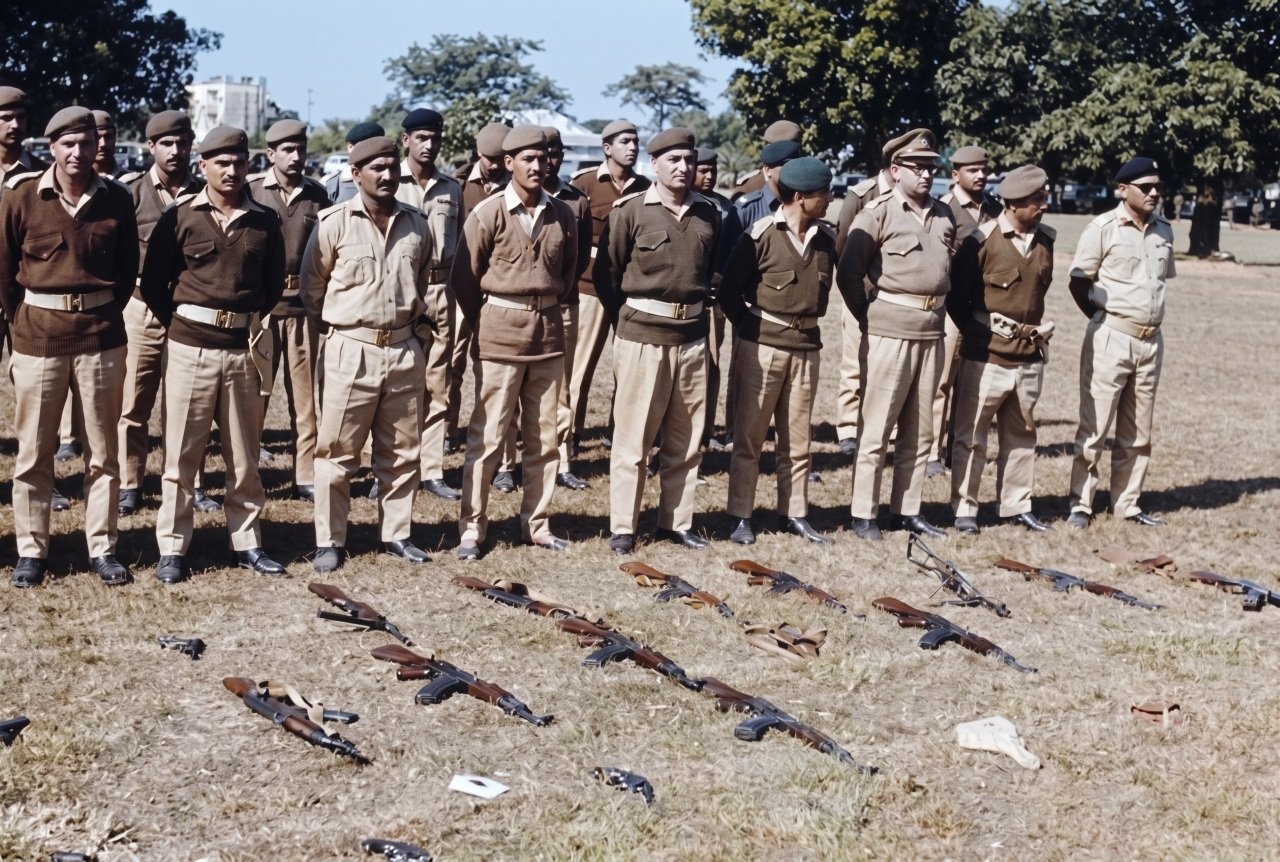
Just as the month of December brings jubilation of victory to the Bengali nation, the brutal Pakistani military sinks into the ignominy of defeat. Yet, even following their defeat in the 1971 Liberation War, their barbarity did not cease. Even after publicly and unconditionally surrendering to the freedom fighters and the Indian Allied Forces on 16th December, the members of this military junta remained incapable of civilized conduct.
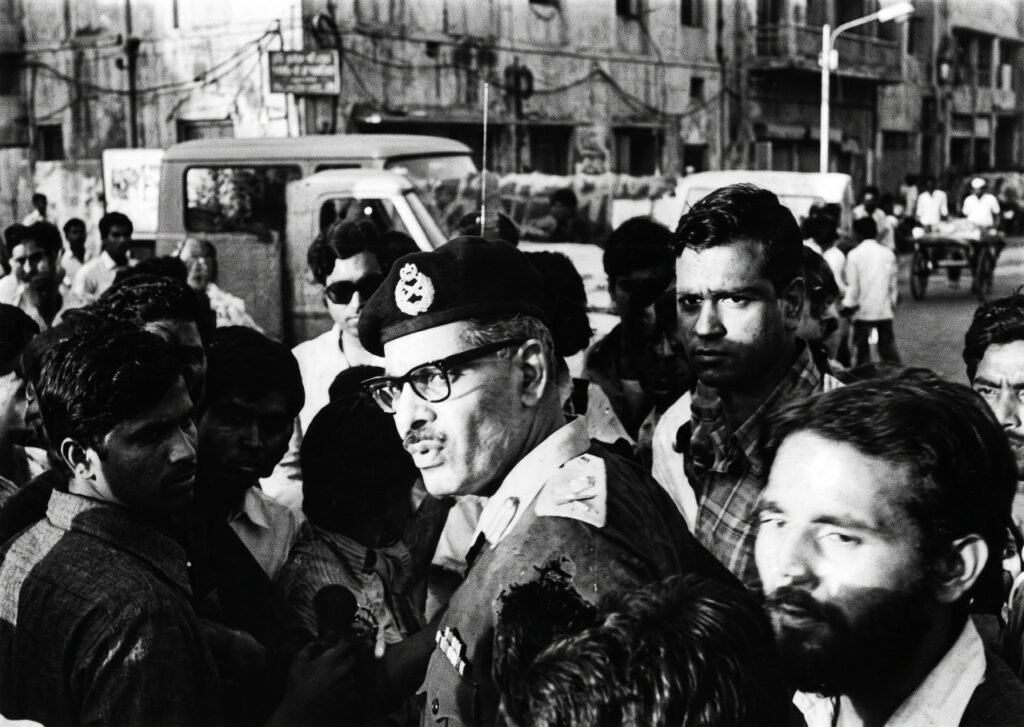
Pakistani Generals A.A.K. Niazi, Rao Farman Ali, and Khadim Hussain Raja—primary architects of the slaughter of three million Bengalis and the rape of at least two hundred thousand women—candidly confessed to these atrocities in their autobiographies.
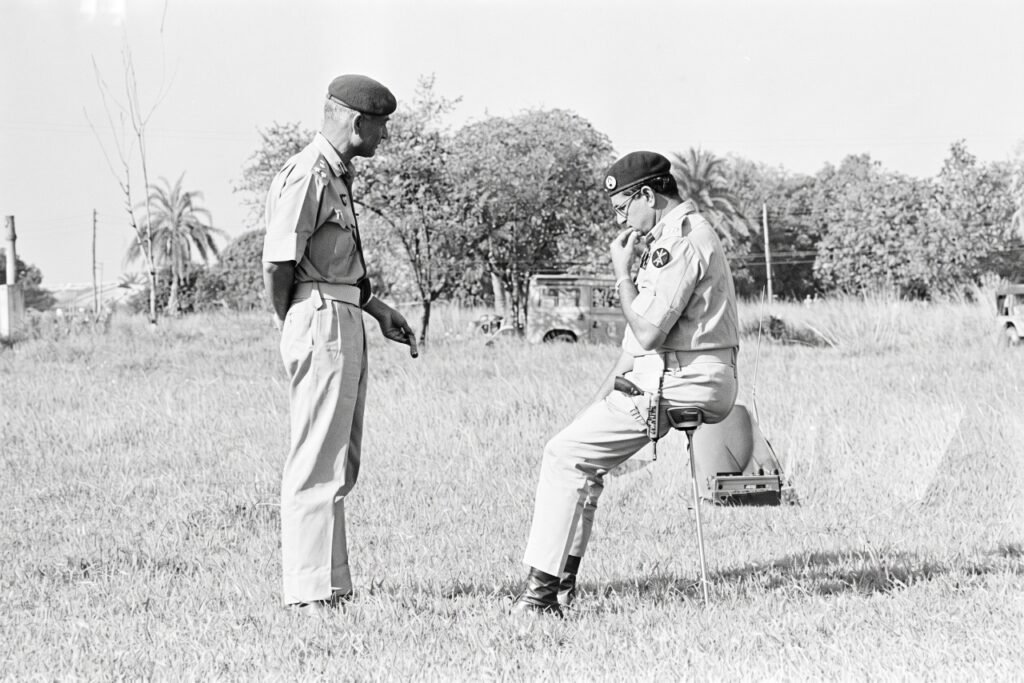
Table of Contents
1. Brutality of the Invaders Even in POW Camps
Following their defeat in the Liberation War, nearly 90,000 personnel of the Pakistani military were detained in neutral India as prisoners of war under the Geneva Convention. Yet even in captivity, they persisted in various forms of misconduct, including rampant sexual deviance. Forgetting the humiliation of defeat, they frequently embroiled themselves in petty internal feuds over the distribution of lunch and dinner rations.
“In captivity, we sat at the dining table strictly according to seniority. Niazi occupied the head of the table, while I was sixth. Niazi would take half the pot for himself; by the time it reached me, nothing remained except a bone or two.”
Rao Farman Ali further noted that Niazi did not merely hoard food, but routinely indulged in coarse and vulgar gossip.
2. Confessions on the Formation of Razakars and Al-Badr
“The battlefield was unfamiliar. It was difficult to distinguish friend from foe. However, many among the Bengalis demonstrated loyalty to the Pakistanis. The Razakar, Al-Badr, and Al-Shams forces were established using them. They were trained and deployed to every region, rendering us immense assistance.”
3. Plunder, Corruption, and Atrocities
“Brigadier Arbab was removed from command on charges of looting and theft and subsequently sent back to West Pakistan.”
“I am receiving widespread reports of looting, arson, and killings perpetrated by soldiers. Recently, reports of rape have also escalated. It is reported that looted property is being shipped to West Pakistan through returning families. Officers too are implicated in these heinous acts.”
4. Systematic Plunder by Senior Officers
“Towards the end of the war, when defeat became imminent, several Air Force pilots were evacuated safely to West Pakistan. During that period, General Rao Farman Ali dispatched 80,000 rupees of looted money to his wife via his nephew, who was a helicopter pilot. In 1971, this represented an immense sum.”
“Upon receiving surrender orders on 13th December, I removed foreign currency, cash, and gold from the banks of Dhaka. Later, I set fire to the banknotes.”
Even after perpetrating rape, genocide, and plunder, and despite suffering total defeat, the ferocity and depravity of the Pakistani troops did not relent. Page after page of their autobiographies bear testimony to their barbarity. History bears witness—in Bangladesh’s struggle for liberation, they suffered not merely a military defeat, but established a standard of utter moral bankruptcy that remains to this day a stain upon human civilization.