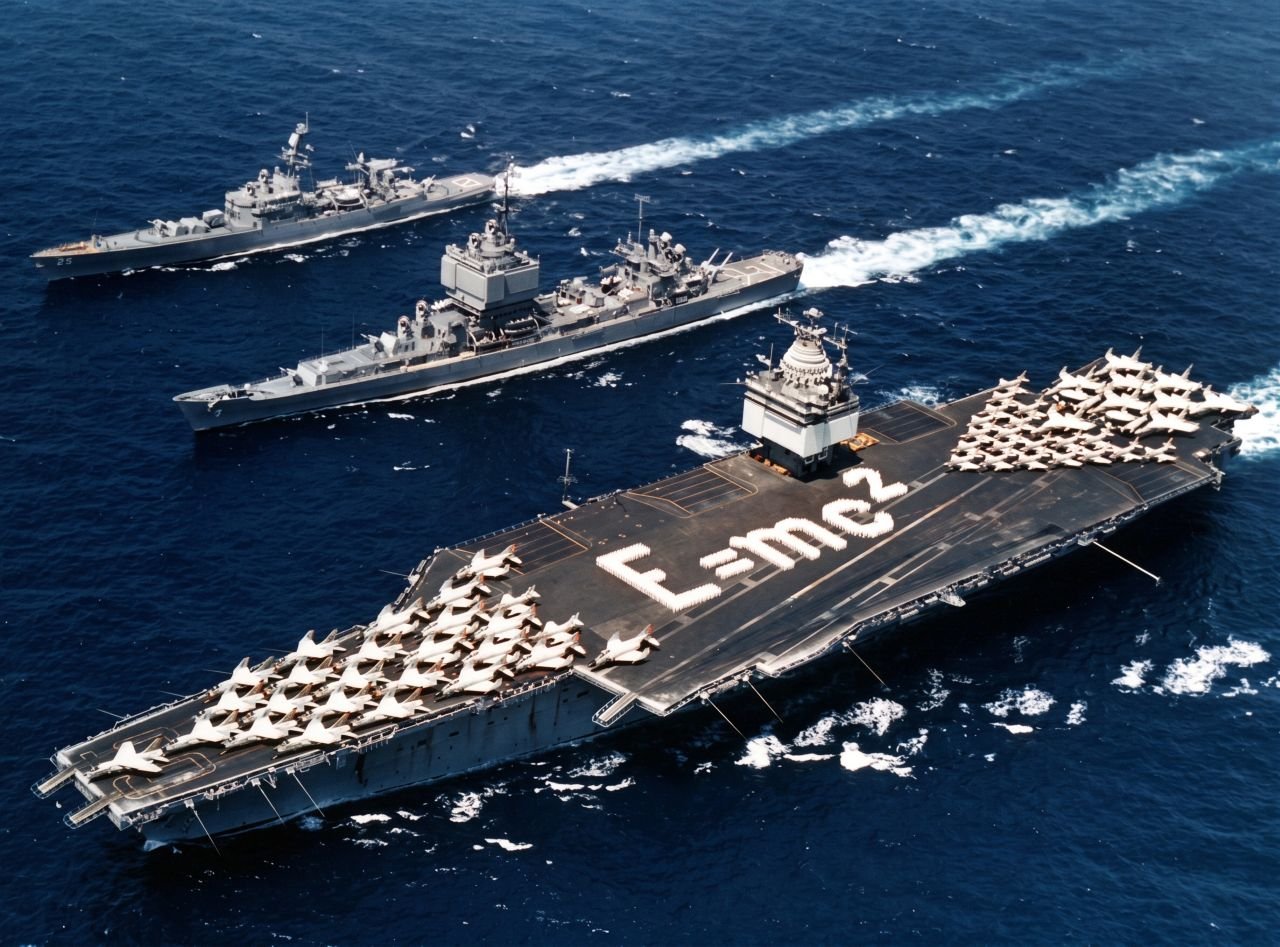
The 15th of December 1971 stands as an intensely dramatic and pivotal chapter in the saga of Bangladesh’s Liberation War. By this juncture, Pakistani forces had been thoroughly battered and cornered on every front. The Pakistani high command recognized that total defeat was now merely a matter of time. Their sole focus shifted to survival—seeking assurances that, following their inevitable surrender, they would be protected from the retributive wrath of the Bengali populace.
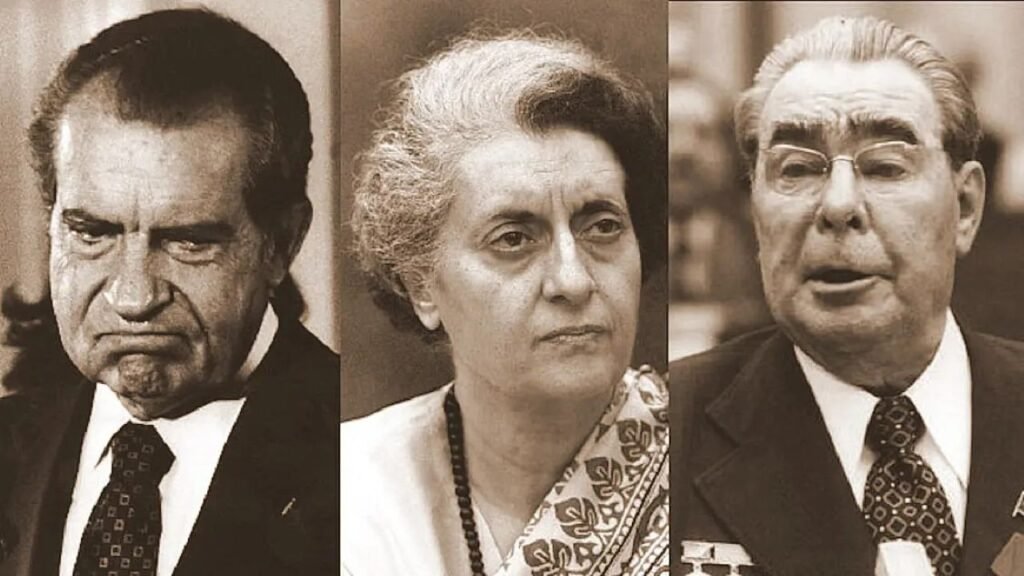
Table of Contents
The Seventh Fleet and the Cold War Standoff
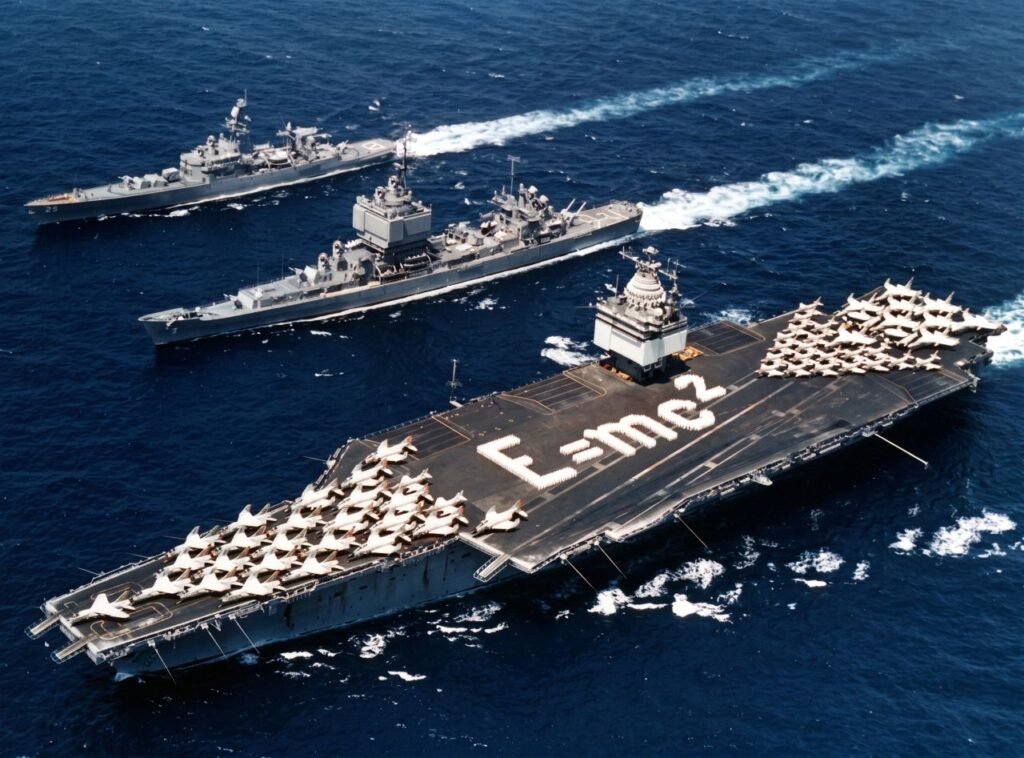
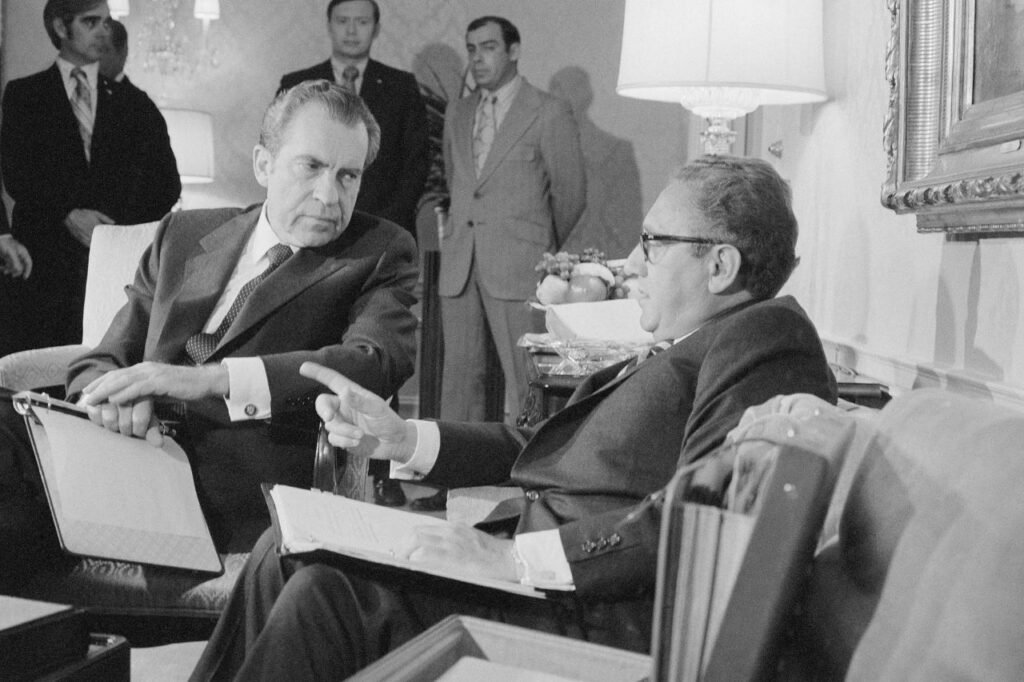
In the dying days of the conflict, Pakistan’s ultimate hope rested upon American military intervention. On 9 December, under the direct orders of US President Richard Nixon and National Security Advisor Henry Kissinger, ‘Task Force 74’—led by the nuclear-powered aircraft carrier USS Enterprise, the largest warship in the world—was dispatched towards the Bay of Bengal from the US Seventh Fleet. Officially, Washington framed the deployment as a humanitarian mission to “evacuate stranded American citizens.” However, the true objective was starkly strategic: to extend direct military and psychological backing to the Pakistani junta while exerting immense pressure on India.
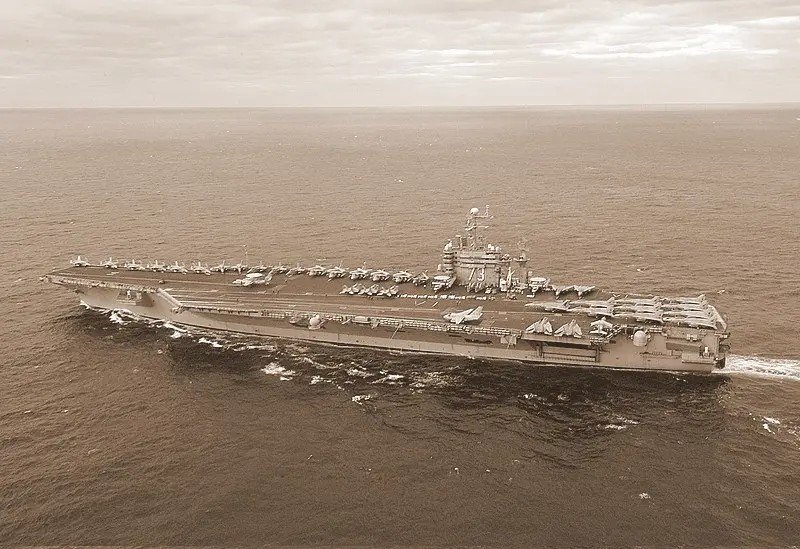
Yet, on 15 December, a breathless standoff unfolded at the maritime threshold of the Bay of Bengal. Bound by the treaty obligations of the Indo-Soviet Treaty of Peace, Friendship and Cooperation, the Soviet Union had anticipated the American manoeuvre. Under the command of Admiral Vladimir Kruglyakov, the Soviet Pacific Fleet dispatched over twenty warships from the Far Eastern port of Vladivostok, positioning themselves in the Bay of Bengal before the American Task Force could arrive. This Soviet armada comprised nuclear-armed cruisers, destroyers, and formidable attack submarines.
The most dramatic turn occurred as American warships approached Indian territorial waters and prepared to launch reconnaissance and strike aircraft. At that critical moment, Admiral Kruglyakov executed a masterstroke. To shatter American assumptions of naval dominance, he ordered the Soviet nuclear submarines—hitherto submerged and hidden—to surface simultaneously. US reconnaissance satellites and naval commanders were confronted with the sight of colossal Soviet nuclear-powered attack submarines rising to the surface directly ahead, their missile launchers trained squarely at the Seventh Fleet.

The sudden, aggressive emergence of Soviet nuclear capability sent shockwaves through Washington. American commanders realized that, in attempting to intimidate India, they had backed themselves into a direct nuclear confrontation with the Soviet Union. Confronted by this impenetrable wall, the US Seventh Fleet halted its advance. Forced to pull back into the Indian Ocean south of Sri Lanka, the American fleet executed a complete retreat. With this withdrawal, Pakistan’s final lifeline vanished.
This confrontation marked a decisive turning point in global Cold War diplomacy. On one side stood the unbreakable strategic alignment of Bangladesh, India, and the Soviet Union; on the other, the tripartite axis of Pakistan, the United States, and China. Following the resolute Soviet stand in the Bay of Bengal on 15 December, Pakistan was left entirely isolated—both militarily and diplomatically.
Battlefield Dynamics: Dhaka Besieged
On the ground, the winds of victory swept across every sector outside the capital. Through the coordinated, multi-pronged offensive launched by the Mukti Bahini and the Indian Allied Forces, Dhaka was completely encircled.
- On Land: Ground strongholds of the Pakistani military collapsed under heavy Allied artillery bombardments and relentless guerilla assaults by the Mukti Bahini.
- In the Air: Indian MiG fighter aircraft established complete aerial supremacy over the skies of Dhaka, executing precision strikes against enemy military installations and command posts.
- On the Water: Navigating the intricate riverine network of Bengal, freedom fighters pressed rapidly towards Dhaka in rivercraft with unstoppable momentum.
Witnessing this total collapse, the Pakistani Eastern Commander, Lieutenant General A. A. K. Niazi, dispatched an urgent proposal for a cease-fire. However, the Indian Chief of the Army Staff, General Sam Manekshaw, delivered an unequivocal ultimatum: there would be no negotiated cease-fire—the sole acceptable outcome was immediate, unconditional surrender.
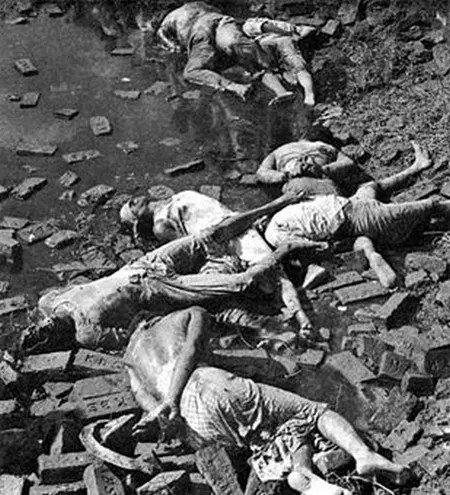
The Cease-fire Window and Terms of Good Faith
On the afternoon of 15 December, as a gesture of magnanimity aimed at preventing a bloody final assault on the capital, the Allied Forces announced two key terms:
- All aerial bombardments over Dhaka would be suspended from 17.00 hours that afternoon until 09.00 hours the following morning (16 December).
- Should Pakistani forces surrender, they would be granted full protection under the Geneva Conventions, guaranteeing immunity from extrajudicial retribution.
However, a stern caveat was attached: should the Pakistani military fail to surrender by 09.00 hours on 16 December, Allied Forces would unleash their full military power in a final assault on Dhaka.
Yahya’s Sanction and Niazi’s Submission
General Niazi immediately transmitted the reality of his situation to Army Headquarters in Islamabad. Recognizing the absolute collapse of their defensive positions and the failure of American naval intervention, Pakistan’s President, General Yahya Khan, cabled a late-night dispatch explicitly instructing Niazi: “There is no other option; accept the terms of surrender offered by India.” Upon receiving this sanction, Niazi communicated with General Manekshaw late that night, confirming their acceptance of unconditional surrender.
Consequently, 15 December was primarily defined by the backstage preparation for history—drafting the Instrument of Surrender and arranging the logistics for the formal signing ceremony.
From Savar to Dhaka: The Final Midnight Battle
While diplomats and military commanders finalized the terms of capitulation, freedom fighters on the perimeter continued to engage enemy forces with their last drop of blood. As night fell, Allied units pressed forward from Savar towards the outskirts of Dhaka. En route, they were joined by the legendary ‘Kaderia Bahini’, led by Bir Bikrom Kader Siddique.
At approximately 02.00 hours, Joint Forces encountered the outer defensive lines of the Pakistani military at the entrance to Dhaka.
- Allied commandos launched a surprise tactical assault.
- Desperate Pakistani troops retaliated with intense artillery and heavy machine-gun fire from across the bridgehead.
- Outmanoeuvring the position, a contingent of Joint Forces crossed the river along its western bank, striking the Pakistani line from the rear.
Heavy engagement continued throughout the night. By dawn, however, the resistance was broken, and the fall of Dhaka was absolute.
Historical Significance
The events of 15 December represented far more than a tactical victory on the battlefield; they constituted a monumental diplomatic triumph for Bangladesh on the world stage. The forced retreat of the US Seventh Fleet and the resolute intervention of the Soviet Union broke the psychological backbone of the Pakistani state. Following this night of high drama, the Bengali nation arrived at the threshold of its destiny—16 December 1971, the Day of Victory.