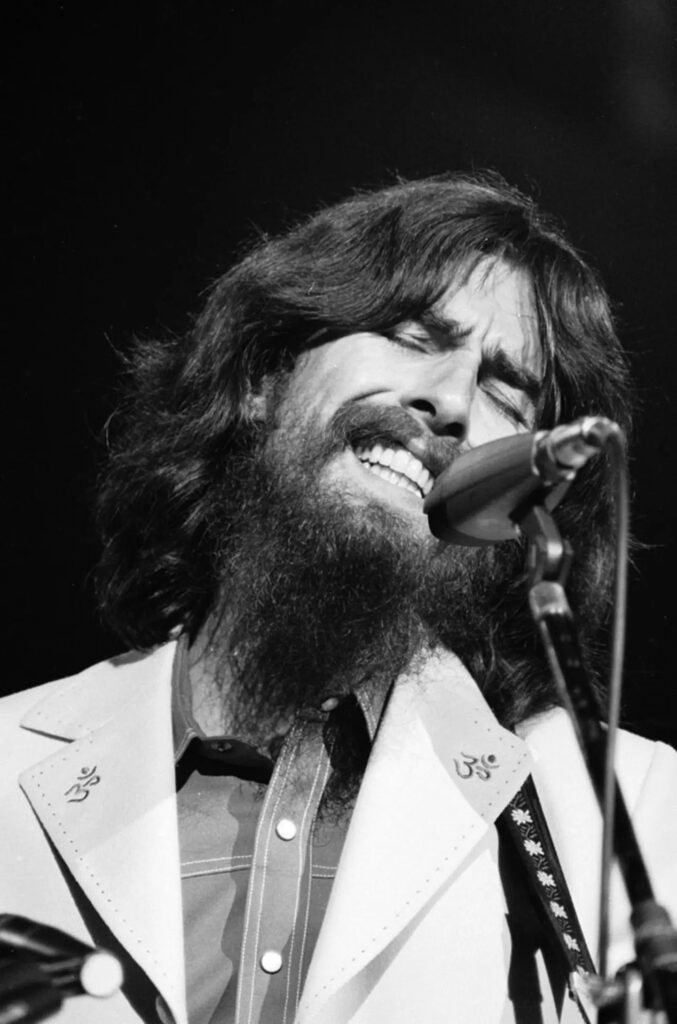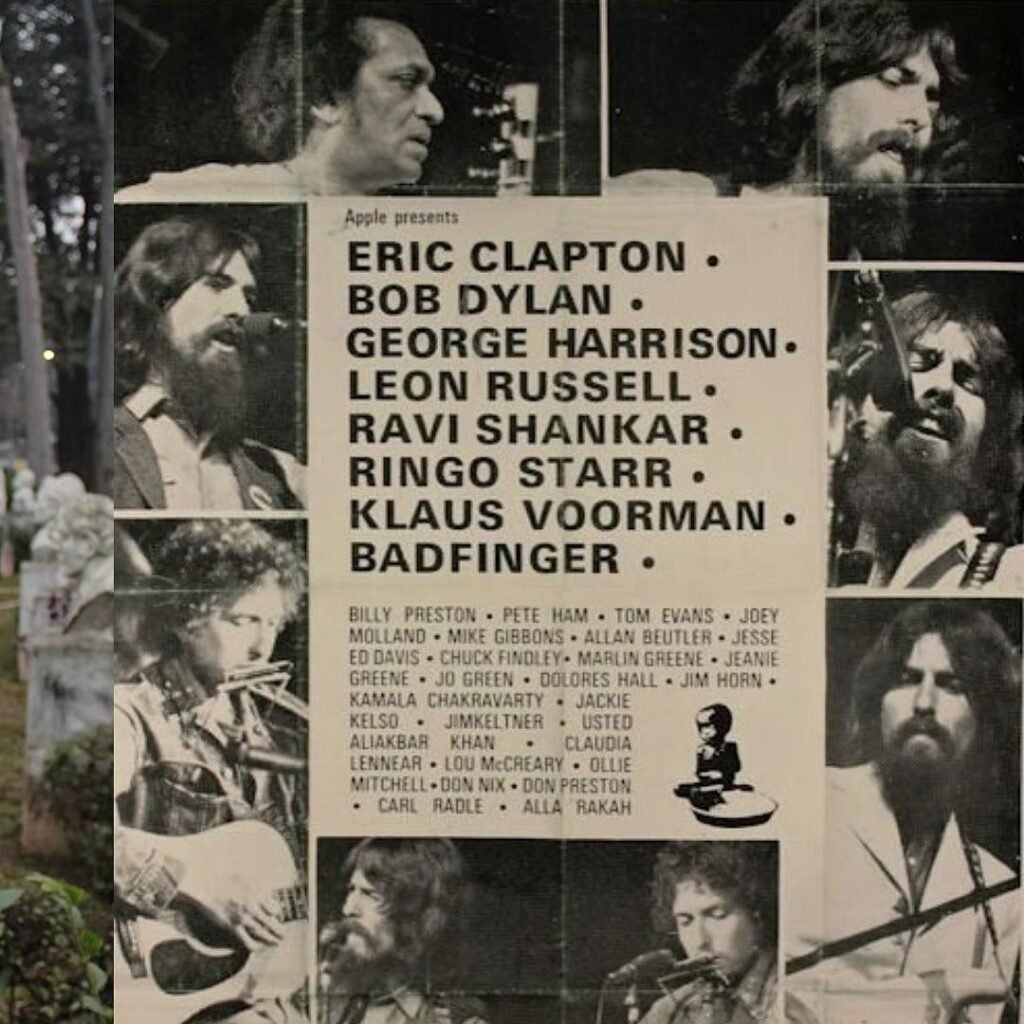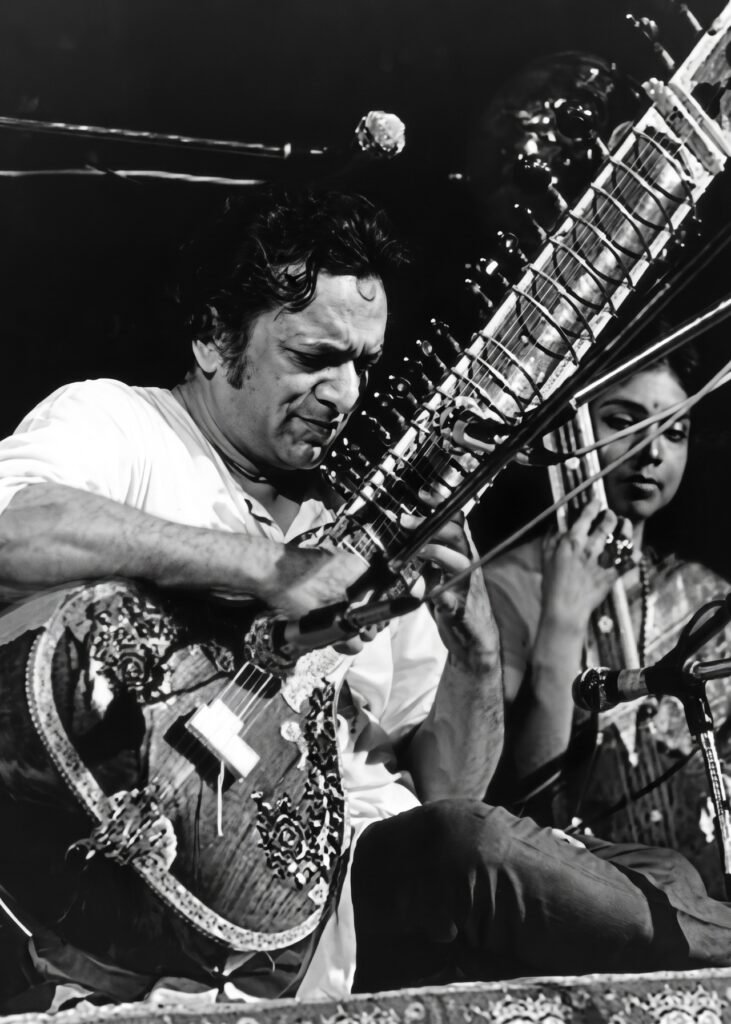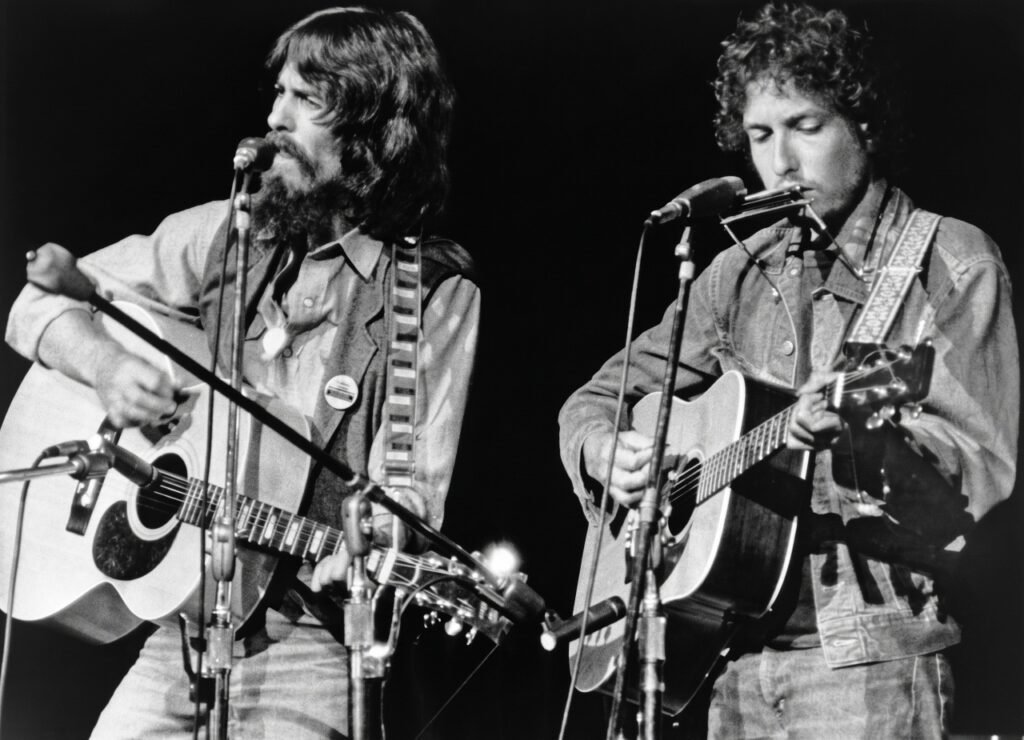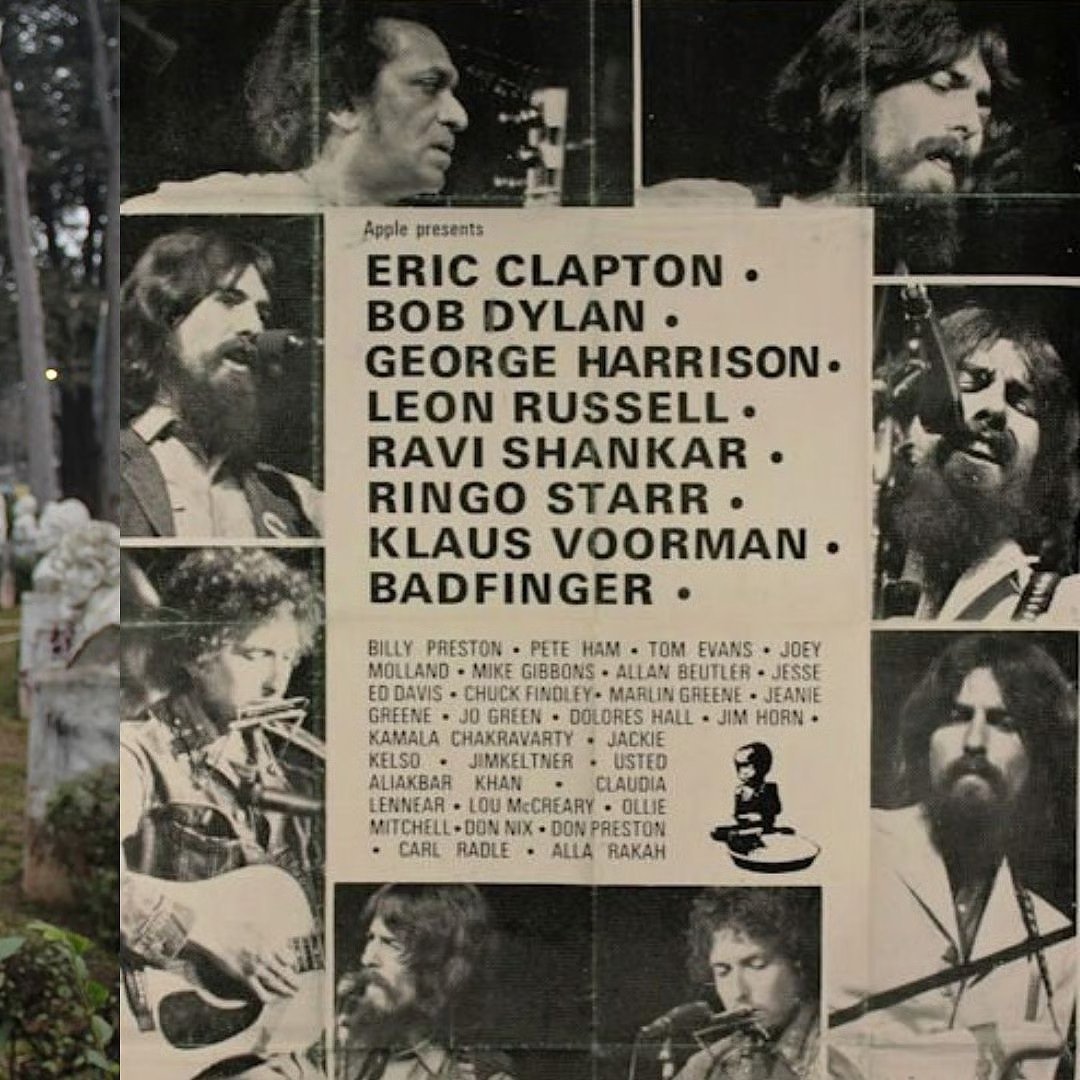
In the annals of modern world history and contemporary pop culture, certain events transcend the realm of mere entertainment, reshaping the trajectory of geopolitics, global public opinion, and human empathy. Held on 1 August 1971 at New York’s iconic Madison Square Garden, ‘The Concert for Bangladesh’ stands as precisely such an historic milestone. It was far more than a pair of international musical performances; it represented the first and most triumphant instance of cultural diplomacy, projecting the desperate plea for existence of a besieged, oppressed, and freedom-seeking nation onto the global stage.
Organised jointly by Pandit Ravi Shankar and the former Beatles guitarist George Harrison, this event is widely celebrated as the first mega charity benefit concert in musical history. It demonstrated to the world that, beyond the realpolitik and diplomatic manoeuvrings of superpowers, the emotive power of art could stir the conscience of millions and deliver direct, tangible relief amidst a catastrophic humanitarian crisis.
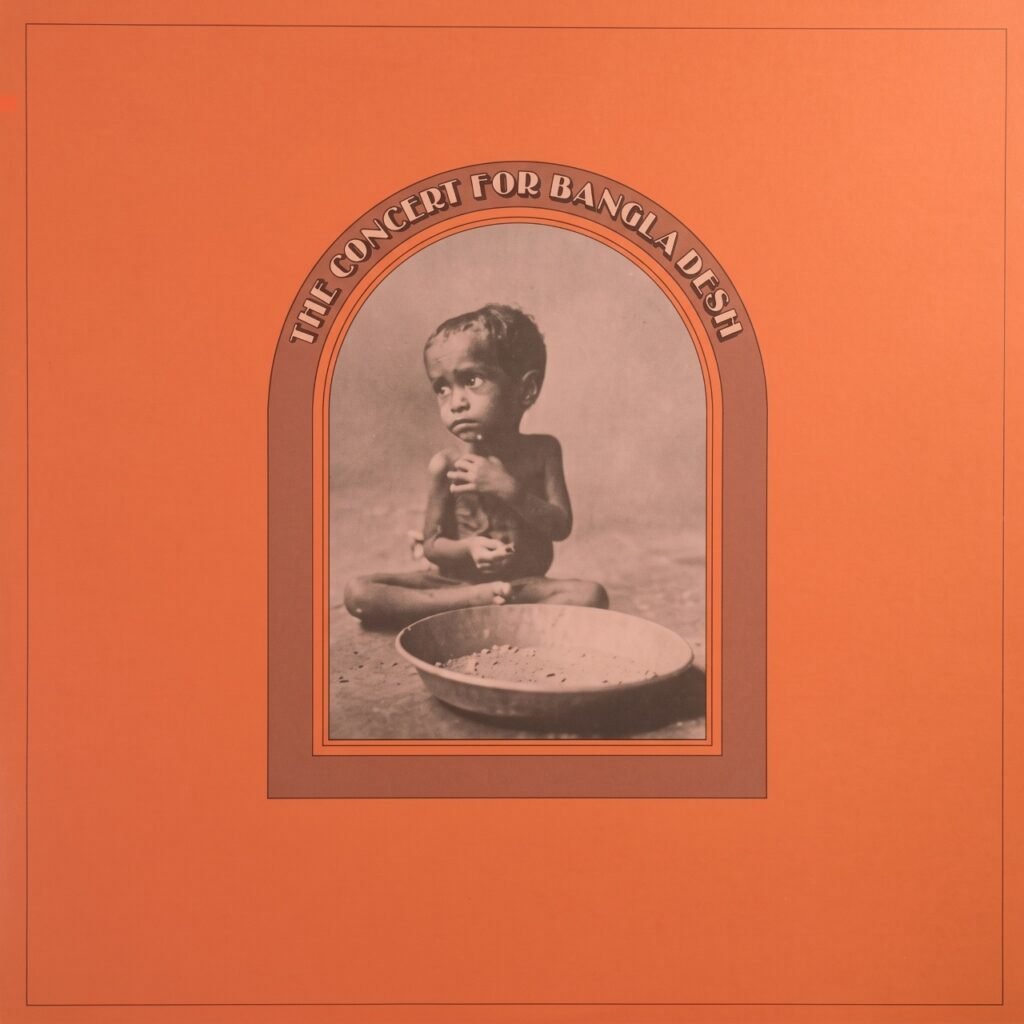
Table of Contents
Overview: The Concert for Bangladesh at a Glance
| Key Feature | Details |
| Key Organisers & Visionaries | Pandit Ravi Shankar and George Harrison |
| Date & Location | 1 August 1971; Madison Square Garden, New York City, United States |
| Format | Two separate shows on the same day (2:30 pm and 8:00 pm) |
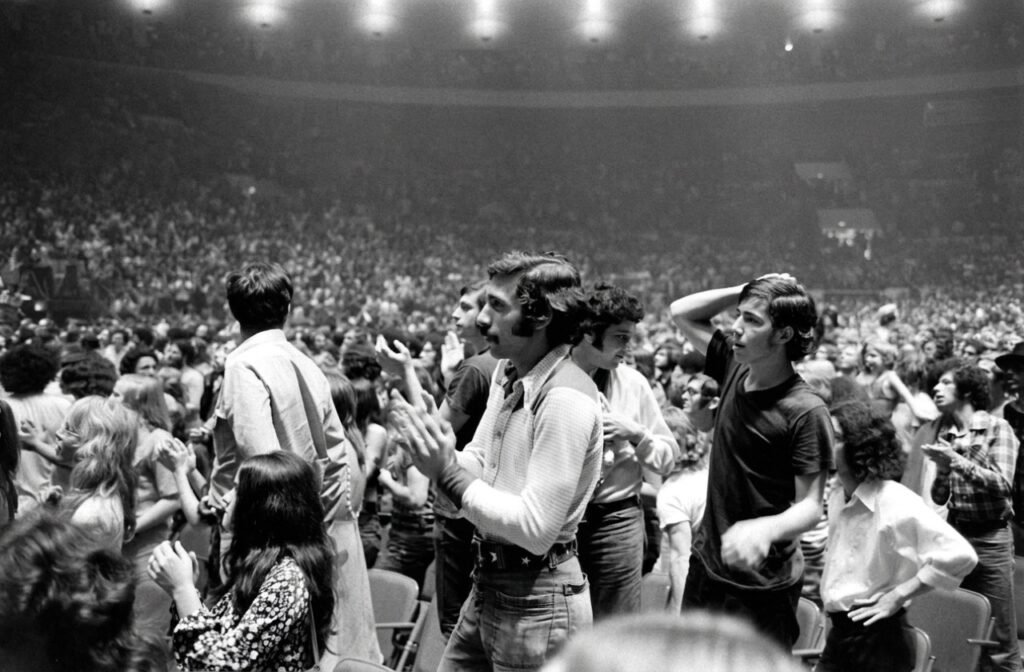
| Total Attendance | Approximately 40,000 (across both shows) |
| Musical Genres | Indian Classical Music and Western Rock & Roll |
| Initial Funds Raised | Approximately $243,000 (from immediate ticket sales) |
| Long-Term Fund Custodian | UNICEF (United Nations Children’s Fund) |
| Subsequent Global Recognition | Won the Grammy Award for ‘Album of the Year’ in 1973 |
| Historical Significance | The first global humanitarian benefit concert in pop music history |
1. Historical and Geopolitical Context: Bloodshed in Bangladesh and the Humanitarian Crisis Across the Border
1.1. The 1971 Genocide, Refugee Crisis, and Cholera Outbreak
In November 1970, the devastating Bhola Cyclone claimed nearly half a million lives in what was then East Pakistan. The systemic negligence and discriminatory attitude of the central Pakistani government sparked intense indignation among Bengalis. Following Sheikh Mujibur Rahman’s historic speech on 7 March 1971 and the subsequent political deadlock, the Pakistani military junta launched ‘Operation Searchlight’ on the night of 25 March, unleashing a systematic genocide upon innocent Bengalis.
Fleeing for their lives and dignity, nearly ten million refugees crossed the border from East Pakistan to seek asylum in the Indian states of West Bengal, Assam, Tripura, and Meghalaya. This unprecedented influx placed immense strain on India’s border economy and administrative framework. In the cramped, makeshift refugee camps across the border, acute shortages of clean drinking water and sanitation led to outbreaks of cholera, diarrhoea, and severe malnutrition. Thousands of children and the elderly succumbed daily to starvation and disease. This calamity escalated far beyond the capacity of international relief agencies.
1.2. Cold War Dynamics, the Nixon-Kissinger Axis, and Global Silence
Global geopolitics at the time was gripped by the intense frictions of the Cold War. US President Richard Nixon and his National Security Advisor, Henry Kissinger, maintained close strategic ties with Pakistan’s military dictator, General Yahya Khan.
This was primarily due to the ongoing rapprochement between Washington and Beijing, where Yahya Khan was acting as a secret diplomatic channel. Indeed, Kissinger’s historic secret trip to Beijing in July 1971 was facilitated via Islamabad. Consequently, despite repeated warnings (the famous ‘Blood Telegram’) sent by Archer Blood, the US Consul General in Dhaka, regarding the ongoing genocide in East Pakistan, the White House maintained its unwavering diplomatic and military support for the Pakistani junta. With the international political arena and mainstream media largely silent or hesitant, there arose a pressing humanitarian and political imperative to wield culture as an instrument of protest.
2. From Conception to Execution: The Collaboration of Pandit Ravi Shankar and George Harrison
Crisis to Action:
[Genocide and Refugee Crisis in Bangladesh]
        │
        ▼
[Pandit Ravi Shankar's Personal Grief & Initial $25,000 Plan]
        │
        ▼
[Outreach to George Harrison & Decision to Scale Up]
        │
        ▼
[Release of the 'Bangla Desh' Single & Global Media Attention]
        │
        ▼
[Staging of the Mega-Concert at Madison Square Garden]
2.1. Ravi Shankar’s Personal Anguish and the Initial $25,000 Vision
Though born in India, the world-renowned sitar maestro Pandit Ravi Shankar had deep ancestral roots in the Narail district of Bangladesh. Deeply connected to the memory of his forebears, Shankar was devastated in mid-1971 whilst in the United States upon hearing news of the unspeakable suffering, loss of life, and tragic conditions in the border camps.
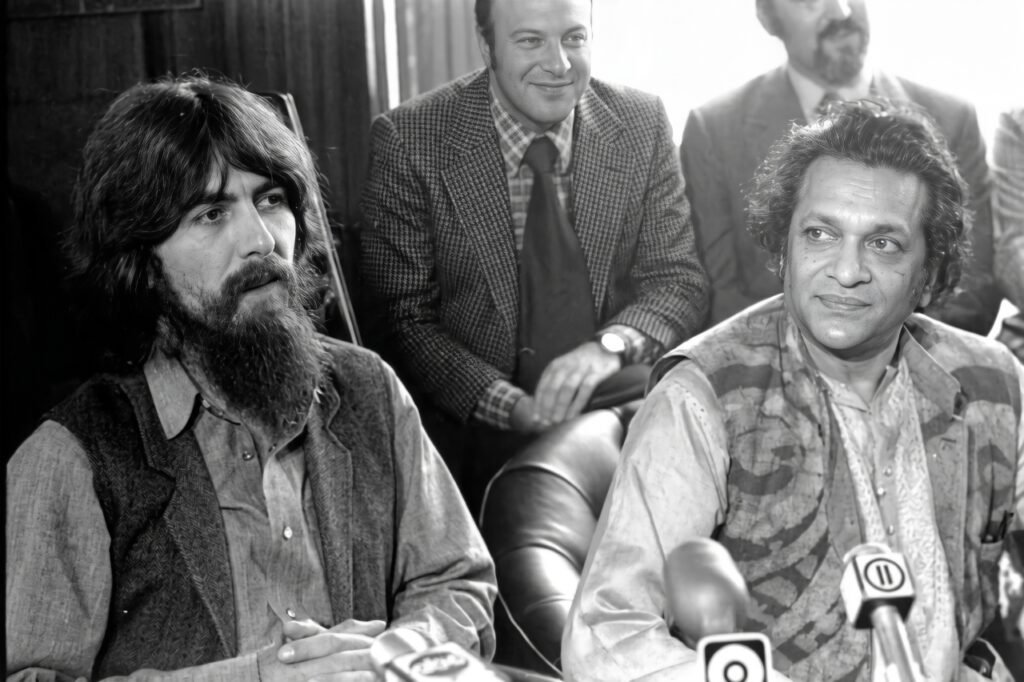
Shankar initially envisioned hosting a modest classical music recital in a small hall in New York, hoping to raise around $25,000 for refugee relief. However, he soon realised that a conventional Indian classical concert would neither capture the attention of the average American nor raise the massive funds required. This realisation prompted him to turn to his disciple and friend, George Harrison, the lead guitarist of the legendary British rock group The Beatles.
2.2. The Entry of George Harrison: Igniting Global Solidarity
In May–June 1971, Ravi Shankar met Harrison in Los Angeles and detailed the grim realities unfolding in East Pakistan. Harrison was not merely a student of Shankar’s music; he held a profound affection for Indian philosophy and melody.
Moved by the gravity of the situation, Harrison recognised that $25,000 was a drop in the ocean given the magnitude of the disaster. He remarked, “If we’re going to do it, it has to be big so that the whole world knows about it.” Harnessing his stardom, global network, and influence, Harrison took it upon himself to spearhead an unprecedented event.
2.3. The Single ‘Bangla Desh’: Pop Music’s First Geopolitical Clarion Call
To generate global awareness prior to the concert announcement, Harrison penned a song with remarkable urgency. In July 1971, with the aid of producer Phil Spector at Los Angeles’ Record Plant studio, the historic single titled ‘Bangla Desh’ was recorded over a matter of days.
Released by Apple Records on 23 July 1971, it marked the first time in mainstream pop music history that a charity single was composed around a specific nation and its geopolitical plight. The lyrics were strikingly simple yet powerful:
“My friend came to me with tears in his eyes / He said I need some help, before his country dies…”
The song swiftly climbed into the top 10 of the UK Singles Chart and reached number 23 on the US Billboard Hot 100. Through this single, millions of young Western listeners heard the word ‘Bangladesh’ for the very first time and grasped the sheer scale of the conflict in East Pakistan.
3. Gathering the Artists, The Beatles Connection, and Behind-the-Scenes Organisational Challenges
Assembling world-class musicians at a mammoth venue like Madison Square Garden on such short notice was a Herculean task.
3.1. Attempts at a Beatles Reunion and Interpersonal Complexities
The Beatles, the most influential band in modern pop history, had officially disbanded in April 1970. Harrison attempted to reunite all four former members—John Lennon, Paul McCartney, Ringo Starr, and himself—on stage once more.
-
Paul McCartney: Declined to participate, citing ongoing legal entanglements and post-breakup tensions among band members.
-
John Lennon: Initially agreed, but Harrison stipulated that Lennon’s wife, Yoko Ono, could not perform on stage. Disagreements over this led Lennon to depart for Paris shortly before the concert.
- Ringo Starr: The sole ex-Beatle to answer Harrison’s call, Starr halted his film shoot in Spain to fly immediately to New York.
3.2. Assembling International Megastars: Dylan, Clapton, and Others
Harrison swiftly enlisted other premier artists of the era:
-
Bob Dylan: Dylan had stepped away from major public concerts and touring following his 1966 motorcycle accident. His appearance remained uncertain until he dramatically stepped onto the stage on the day of the show.
-
Eric Clapton: The guitar maestro was grappling with severe heroin addiction and personal distress at the time. Despite his ill health, he responded to his close friend Harrison’s request and delivered memorable guitar solos.
- Leon Russell & Billy Preston: Renowned pianist Leon Russell and organist Billy Preston (often dubbed the ‘Fifth Beatle’) took charge of the electrifying keyboard arrangements and backing vocals.
3.3. Technical and Logistical Preparations in Four Weeks
Harrison had merely four weeks to pull the entire event together. Booking New York’s historic Madison Square Garden, ensuring flawless acoustic balance, setting up 16-track recording equipment, and assembling experienced audio and film crews was a remarkable feat of organisation. Nearly 40,000 tickets across the two performances (2:30 pm and 8:00 pm) sold out within a few hours.
4. 1 August 1971: The Historic Musical Extravaganza at Madison Square Garden
The afternoon of 1 August was no ordinary musical gathering; it transformed into an unforgettable rally galvanising global humanitarian sentiment.
Programmatic Flow:
[Part One: Eastern Classical Music (Shankar, Ali Akbar, Alla Rakha)]
        │
        ▼
['Bangla Dhun' Performance & Musical Orientation of Western Audience]
        │
        ▼
[Part Two: Western Rock (Harrison, Starr, Clapton, Russell, Preston)]
        │
        ▼
[Surprise Appearance: Bob Dylan's Iconic Protest Set]
        │
        ▼
[Finale: 'Bangla Desh' Anthem and the Universal Humanitarian Message]
4.1. Part One: Eastern Classical Music and the Historic ‘Tuning’ Moment
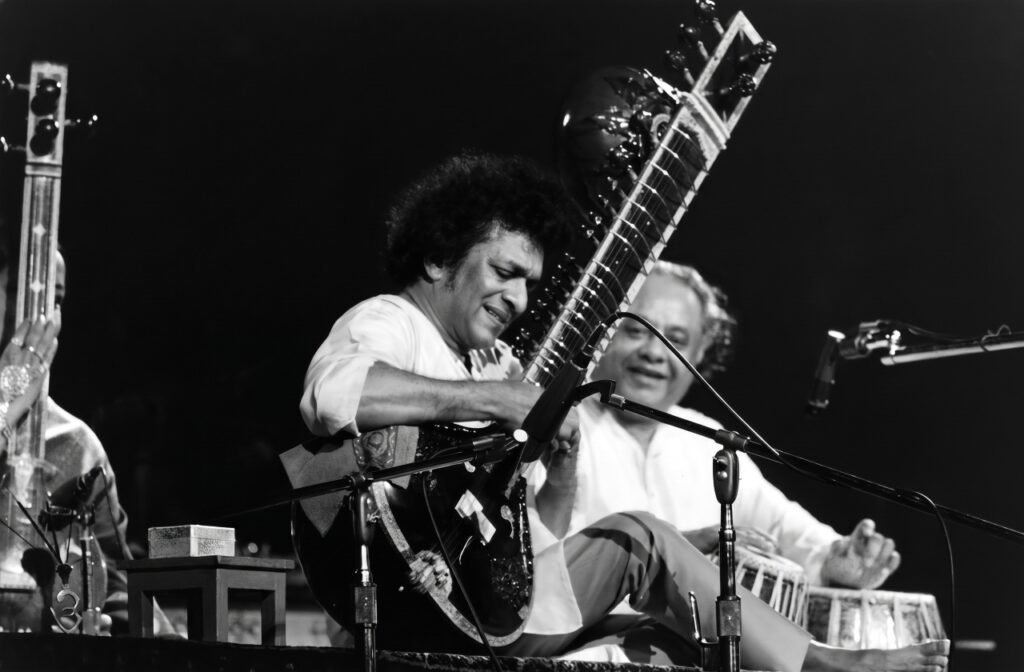
The first half of the concert was dedicated to Indian classical music. Taking their seats on stage were Pandit Ravi Shankar (sitar), Ustad Ali Akbar Khan (sarod), Ustad Alla Rakha (tabla), and Kamala Chakravarty (tanpura).
Introducing solemn ragas to a young Western audience accustomed to loud rock and roll was a bold choice. Opening the segment, Shankar addressed the audience with quiet dignity, highlighting the humanitarian crisis in Bangladesh:
“The first part of the programme will be Indian music… We are not trying to make political statements, we are musicians. But the suffering in Bangladesh is so great, we just want to help.”
Before playing, the classical masters spent a minute or two carefully tuning their intricate instruments. Unaware that this was routine preparation, the Western audience mistook the tuning for the actual performance and broke into enthusiastic applause.
“If you appreciate the tuning so much, I hope you will enjoy the playing more.”
4.2. ‘Bangla Dhun’: Folk Melodies and the Emotion of the Liberation War
Following the tuning, the musicians performed ‘Bangla Dhun’, a special composition based on Bengali folk melodies. Rather than a rigid classical raga, Shankar and Ali Akbar Khan crafted a duet rooted in the evocative folk tunes of Bangladesh—notably Bhawaiya and Bhatiali—capturing the sorrow, resilience, and spirit of resistance of the Bengali people. Accompanied by Ustad Alla Rakha’s brisk rhythms on the tabla, the duet conjured an epic soundscape of struggle and hope.
4.3. Part Two: Western Rock Anthems and the Return of Bob Dylan
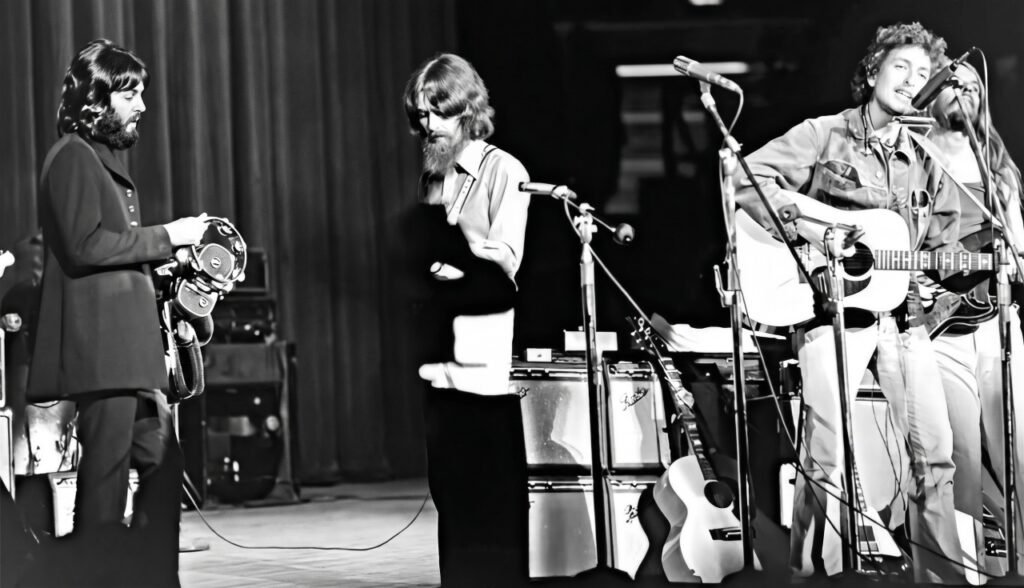
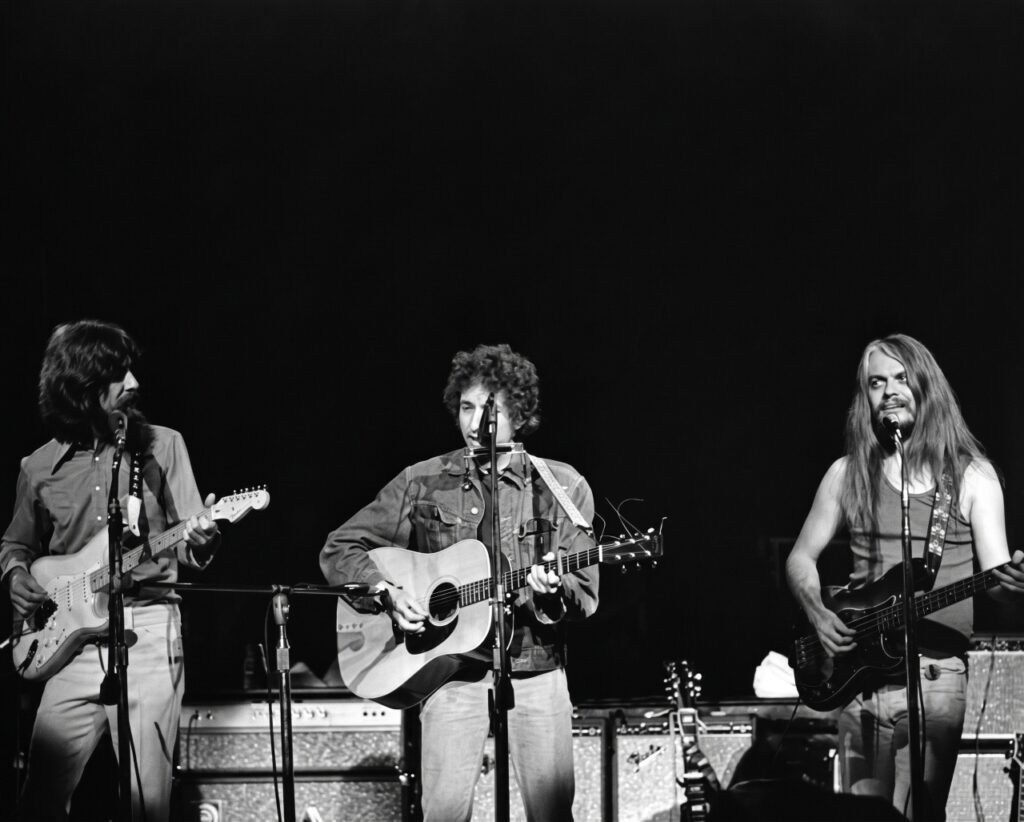
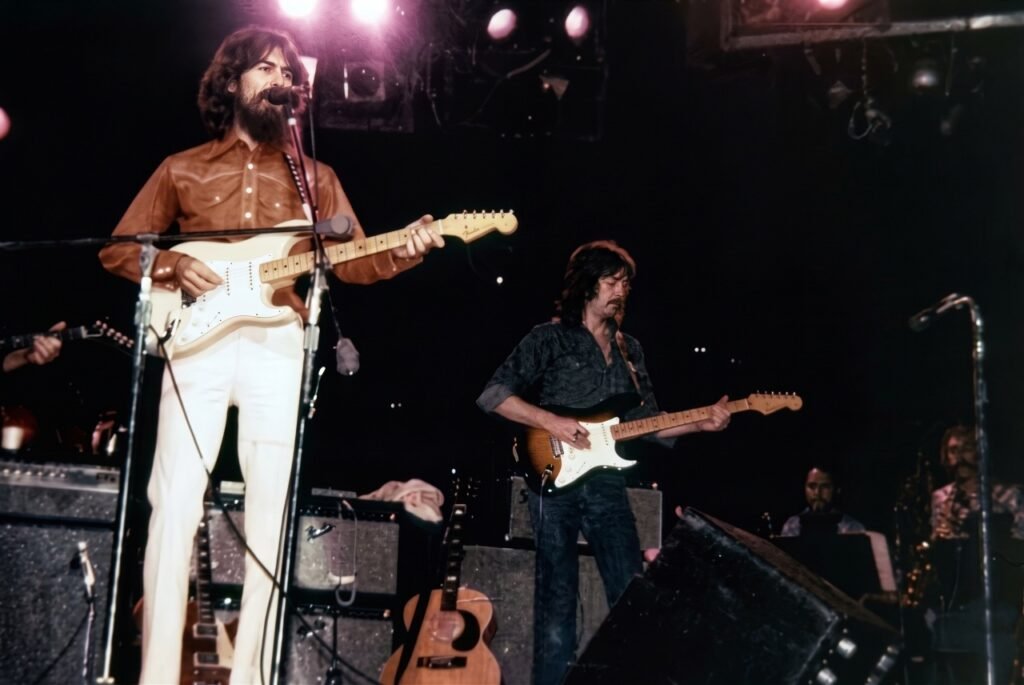
The second half ushered in an explosive rock-and-roll set. Harrison took the stage with a formidable band comprising members of Badfinger, Ringo Starr and Jim Keltner on drums, Klaus Voormann on bass, and Don Preston on percussion.
Harrison delivered a succession of timeless tracks—’Wah-Wah’, ‘My Sweet Lord’, ‘Awaiting on You All’, and ‘Beware of Darkness’. The soaring dual-guitar trade-off between Eric Clapton and George Harrison during ‘While My Guitar Gently Weeps’ brought the audience’s excitement to a fever pitch.
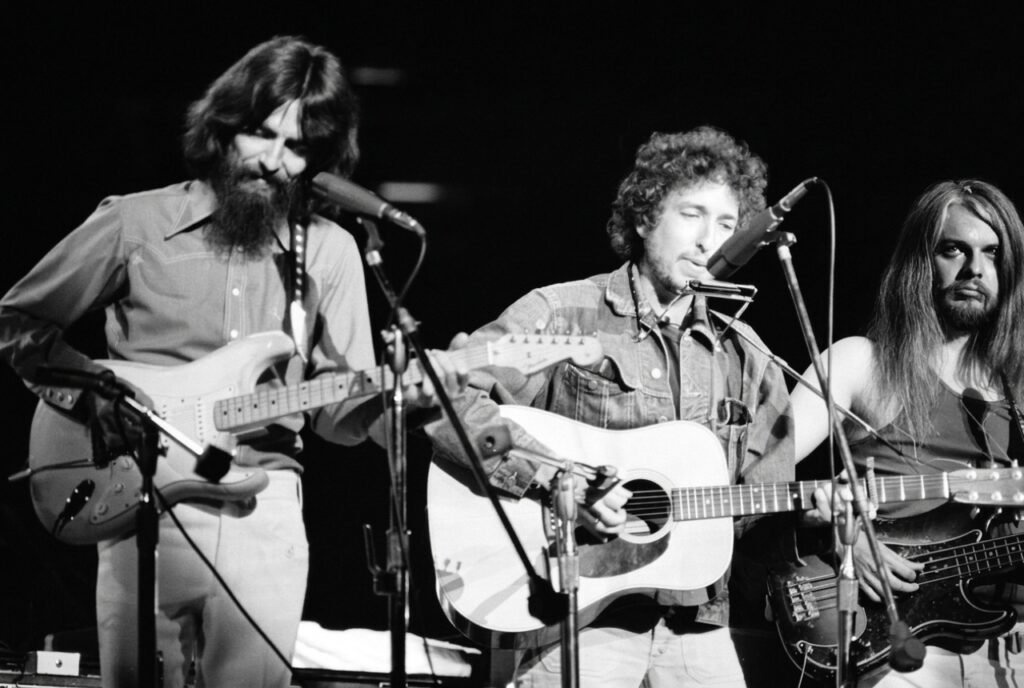
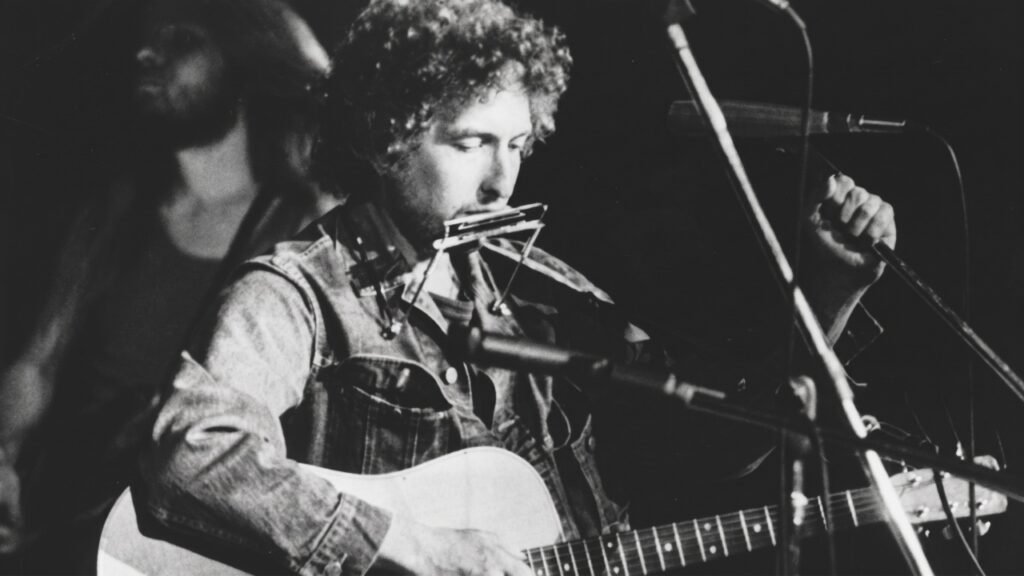
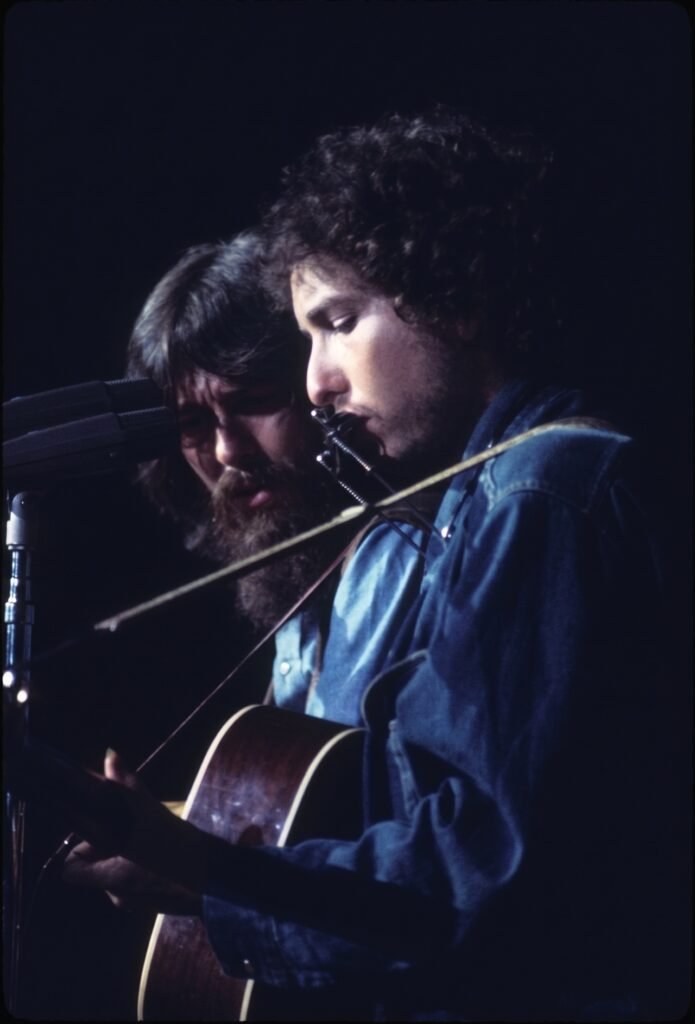
However, the evening’s ultimate surprise was Bob Dylan’s entry. Dressed simply with an acoustic guitar and harmonica, Dylan performed a powerful set of his classic anti-war anthems:
-
‘A Hard Rain’s A-Gonna Fall’
-
‘Blowin’ in the Wind’
-
‘It’s Alright, Ma (I’m Only Bleeding)’
-
‘Just Like a Woman’
Dylan’s poetic, protest-infused lyrics resonated deeply with the American youth, drawing parallels between the Vietnam War and the atrocities in East Pakistan.
4.4. Full Setlist of the Concert
-
Introduction by George Harrison & Ravi Shankar
-
‘Bangla Dhun’ – Pandit Ravi Shankar, Ustad Ali Akbar Khan, Ustad Alla Rakha, Kamala Chakravarty
-
‘Wah-Wah’ – George Harrison
-
‘My Sweet Lord’ – George Harrison
-
‘Awaiting on You All’ – George Harrison
-
‘That’s the Way God Planned It’ – Billy Preston
-
‘It Don’t Come Easy’ – Ringo Starr
-
‘Beware of Darkness’ – George Harrison & Leon Russell
-
‘Band Introduction’ – George Harrison
-
‘While My Guitar Gently Weeps’ – George Harrison & Eric Clapton
-
‘Medley: Jumpin’ Jack Flash / Young Blood’ – Leon Russell
-
‘Here Comes the Sun’ – George Harrison
-
‘A Hard Rain’s A-Gonna Fall’ – Bob Dylan
-
‘Blowin’ in the Wind’ – Bob Dylan
-
‘It’s Alright, Ma (I’m Only Bleeding)’ – Bob Dylan
-
‘Just Like a Woman’ – Bob Dylan
-
‘Something’ – George Harrison
-
‘Bangla Desh’ – George Harrison & Full Ensemble
5. Key Performers at The Concert for Bangladesh and Their Contributions
| Artist | Instruments / Role | Musical Profile | Contribution & Memorable Moments |
| George Harrison | Lead Vocals, Guitar, Key Organiser | Former Beatle | Main coordinator; wrote ‘Bangla Desh’ and led the ensemble. |
| Pandit Ravi Shankar | Sitar, Co-initiator | World-renowned Sitar Maestro | Concept originator; inspired Harrison to elevate Bangladesh’s plight globally and performed ‘Bangla Dhun’. |
| Ustad Ali Akbar Khan | Sarod | Legendary Sarod Master of the Maihar Gharana | Key composer for the classical set; created sublime duets alongside Shankar. |
| Ustad Alla Rakha | Tabla | Pre-eminent Tabla Master | Provided intricate rhythms, presenting Indian classical percussion to a global audience. |
| Bob Dylan | Vocals, Acoustic Guitar, Harmonica | Nobel Prize-winning Songwriter & Cultural Icon | Surprised the crowd by ending his hiatus; infused anti-war passion into ‘A Hard Rain’s A-Gonna Fall’. |
| Eric Clapton | Lead Guitar | Pre-eminent Rock Guitarist | Overcame severe ill health to deliver an iconic guitar solo on ‘While My Guitar Gently Weeps’. |
| Ringo Starr | Drums, Vocals | Former Beatle | Performed ‘It Don’t Come Easy’ and provided steadfast support to Harrison. |
| Billy Preston | Organ, Piano, Vocals | Celebrated Soul & R&B Artist | Delivered a high-energy performance and gospel-infused vocals on ‘That’s the Way God Planned It’. |
| Leon Russell | Piano, Bass, Vocals | Renowned Session Musician & Rock Star | Energised the stage with his ‘Jumpin’ Jack Flash / Young Blood’ medley. |
6. Impact on International Politics and Public Opinion: The Power of Soft Power
Sequence of Diplomatic Impact:
[Pro-Pakistan Policy of the Nixon-Kissinger White House]
        │
        ▼
[Concert, Media Coverage & Global Distribution of Live Album]
        │
        ▼
[Shift in US Public Opinion Towards Bangladesh]
        │
        ▼
[Congressional Pressure & Global Legitimacy for Bangladesh]
6.1. A Surge in US Public Opposition to Washington’s Policy
In 1971, while the Nixon administration quietly funneled arms to General Yahya Khan, the American public remained largely unaware of the horror unfolding in East Pakistan. The 40,000 concertgoers at Madison Square Garden—and the millions reached through subsequent radio broadcasts, television coverage, and press reports in publications like Rolling Stone—ignited widespread awareness among young Americans regarding their government’s foreign policy choices.
The concert fostered strong opposition across major US cities against the Nixon-Kissinger stance. A significant section of the public and influential lawmakers, such as Senator Edward Kennedy, voiced fierce criticism of the Pakistani military’s genocide and Washington’s continued arms shipments.
6.2. Legitimacy for the Liberation War and Global Cultural Diplomacy
For an oppressed nation fighting for independence, securing international legitimacy is paramount. The Concert for Bangladesh accomplished this not through traditional statecraft, but through cultural diplomacy, firmly placing Bangladesh on the geopolitical map. It signaled to the world that Bangladesh’s fight was not merely a territorial dispute, but a fundamental battle for human rights and dignity.
7. Financial Success, IRS Entanglements, and the UNICEF George Harrison Fund
Although conceived as a charitable venture, collecting and distributing the funds raised involved a decade-long struggle against bureaucratic and legal hurdles.
7.1. Ticket Sales, Grammy-Winning Album, and Film Revenues
- Immediate Ticket Sales: The initial ticket sales from both shows yielded approximately $243,000, which was promptly transferred to UNICEF for immediate relief efforts.
- Live Triple Vinyl Album (1971): Released on 20 December 1971 by Apple Records, the 3-disc live vinyl box set peaked at number two on the US Billboard chart and reached number one in the UK. The album went on to win the prestigious Album of the Year at the 15th Annual Grammy Awards in 1973.
- Documentary Film (1972): Directed by Saul Swimmer, the feature concert film was released in March 1972 and generated substantial box-office revenue worldwide.
7.2. Legal Disputes with the US Internal Revenue Service (IRS) and Frozen Funds
Due to the haste with which the event was organised, it was not initially registered as a tax-exempt charitable entity under Section 501(c)(3) of the US Internal Revenue Code.
As a result, the IRS treated the album and film revenues as commercial income, withholding between $8 million and $10 million in taxes. Additional claims from record distributors further compounded the issue.
Resolving these tax entanglements required over a decade of legal effort by George Harrison. Harrison deposited approximately $4.5 million of his own money as a personal indemnity bond to ensure international distribution of the album remained unhindered. Finally, in the early 1980s, through legislative intervention in the US Congress, the legal issues were resolved, and the sequestered funds were released to UNICEF.
7.3. The ‘George Harrison Fund for UNICEF’: A Fifty-Year Legacy
Following the release of the funds, the George Harrison Fund for UNICEF was formally established. Subsequent royalties from albums, CDs, DVDs, and digital downloads have raised over $12 million for UNICEF.
To this day, proceeds from the fund support health, nutrition, and emergency relief programmes for children in disaster-affected and conflict-ridden regions around the globe. In 2005, the Government of Bangladesh and UNICEF jointly celebrated the 30-plus-year legacy of this pioneering initiative.
8. Pioneer Model for Global Pop Culture and Charity Concerts
The Concert for Bangladesh fundamentally redefined the intersection of pop culture and social activism.
8.1. Blueprint for Mega Benefit Concerts: From ‘Live Aid’ to the Modern Era
Prior to 1971, pop and rock music were viewed primarily as youth entertainment or avenues for rebellion. The Concert for Bangladesh proved that global stardom could be leveraged to address severe humanitarian crises on a massive scale.
It served as the direct structural blueprint for subsequent international charity events:
- Live Aid (1985): Organised by Bob Geldof and Midge Ure for Ethiopian famine relief, Live Aid drew directly from Harrison’s model. Geldof acknowledged consulting Harrison personally on how to manage multiple international acts and navigate legal and financial complexities.
- Other Major Events: Subsequent initiatives—such as the Amnesty International Human Rights Now! Tour (1988), The Concert for New York City (2001), and Live 8 (2005)—all inherited the organisational framework established in 1971.
8.2. A New Horizon for ‘World Music’ in Western Rock
The concert gave Indian classical music an unprecedented platform within mainstream Western music culture. Instruments such as the sitar, sarod, and tabla were no longer seen merely as exotic novelties; the historic performance at Madison Square Garden firmly established Indian classical traditions within the global genre now known as ‘World Music’.
References and Bibliography
- Harrison, George. I, Me, Mine. Simon and Schuster, 1980. (Harrison’s autobiography, providing insights into the concert’s background, logistics, and legal battles with the IRS).
- Shankar, Ravi. Raga Mala: The Autobiography of Ravi Shankar. Genesis Publications, 1999. (Ravi Shankar’s autobiography, reflecting on his grief regarding the 1971 conflict and his collaboration with Harrison).
- Lavezzoli, Peter. The Dawn of Indian Music in the West. Continuum International Publishing Group, 2006. (An academic analysis of the spread of Indian classical music in the West and the legacy of 1 August 1971).
- Leng, Simon. While My Guitar Gently Weeps: The Music of George Harrison. Hal Leonard Corporation, 2006. (A detailed musical analysis of Harrison’s solo work, including the ‘Bangla Desh’ single and concert recordings).
- Clayson, Alan. George Harrison. Sanctuary Publishing, 2003. (A biography covering Harrison’s life, charity efforts, and legal proceedings surrounding Apple Records and the IRS).
- UNICEF Historical Archives. The George Harrison Fund for UNICEF: Legacy & Continuous Impact (1971–2020). UNICEF Official Documentation.
- Swimmer, Saul (Director). The Concert for Bangladesh [Documentary Film]. Apple Films, 1972.