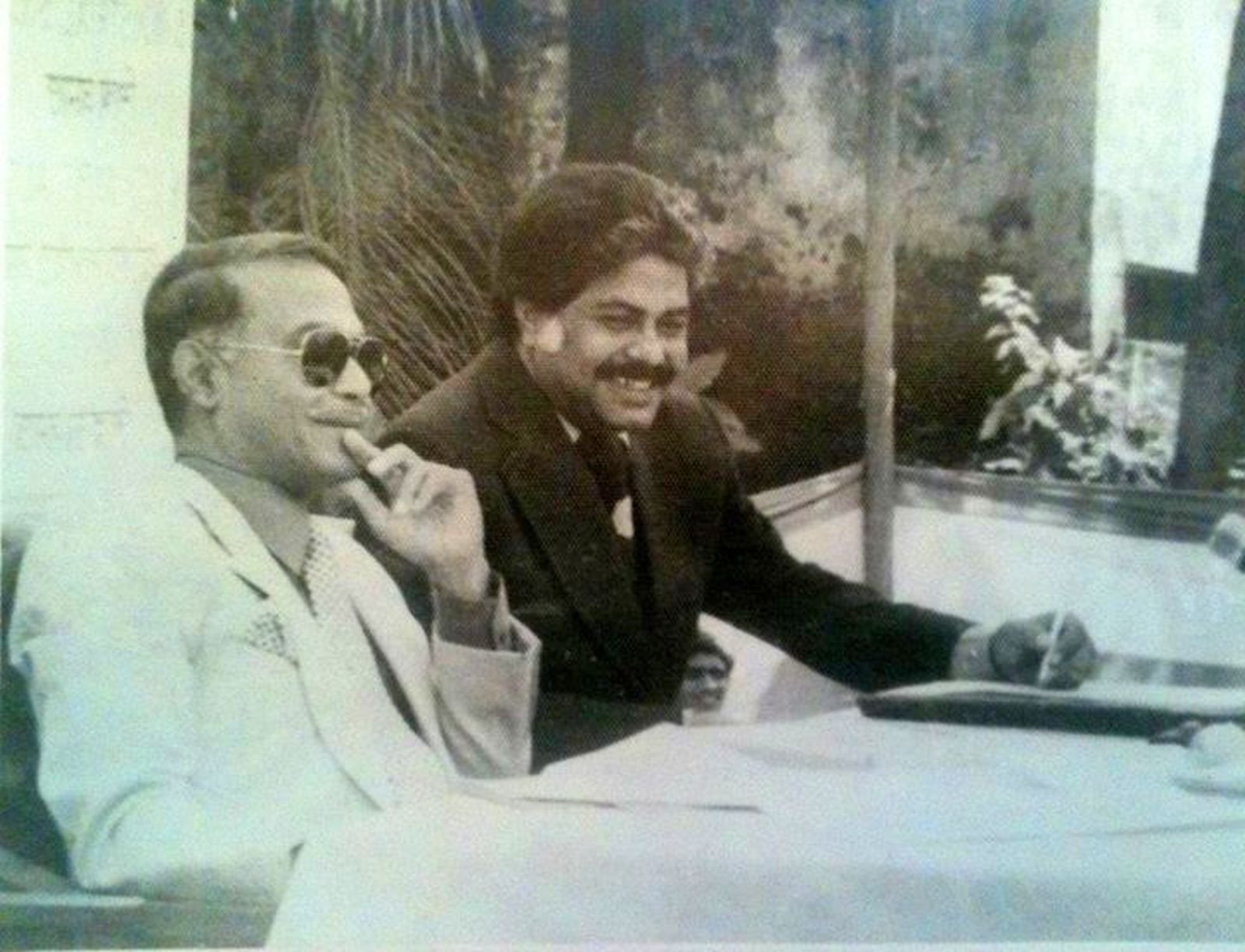
The first military dictator of Bangladesh was General Ziaur Rahman, who came to power through a military coup on November 3, 1975. Prior to the coup, Bangladesh was a parliamentary democracy, with Sheikh Mujibur Rahman, the father of the current Prime Minister Sheikh Hasina, serving as the country’s first elected Prime Minister.
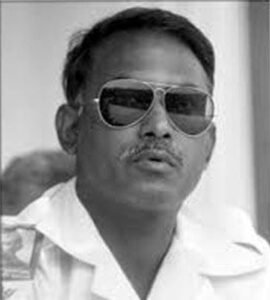
General Ziaur Rahman was born in 1936 in Chittagong, which is now one of the major cities of Bangladesh. He joined the Pakistani Army in 1953 and fought in the Indo-Pakistani War of 1965. After the Bangladesh Liberation War of 1971, in which Bangladesh gained independence from Pakistan, Ziaur Rahman was made a Brigadier General in the newly formed Bangladesh Army.
In 1975, amid political turmoil and economic crisis, Ziaur Rahman led a group of military officers in a coup against the government of Sheikh Mujibur Rahman, who was assassinated along with most of his family members in the early hours of August 15, 1975. Ziaur Rahman was appointed as the Chief Martial Law Administrator and later declared himself the President of Bangladesh.
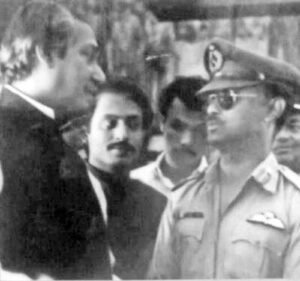
During his rule, Ziaur Rahman introduced a new constitution that established a presidential form of government and abolished the parliamentary system. He also founded the Bangladesh Nationalist Party (BNP), which remains one of the major political parties in Bangladesh. Ziaur Rahman was known for his populist policies, including the promotion of rural development and support for small businesses.
However, Ziaur Rahman’s rule was also marked by allegations of corruption and human rights violations, including the suppression of political opposition and the media. He was assassinated in 1981 by a group of army officers during a failed coup attempt.
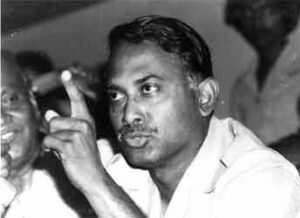
Ziaur Rahman remains a controversial figure in Bangladeshi politics, with some viewing him as a hero for his role in the country’s liberation war and his efforts to promote economic development, while others criticize him for his authoritarian rule and alleged human rights abuses.